Kit Advice
Being Prepared for Svalbard Crossing and Newtontoppen
Winter travel rewards good preparation. The better your systems are before you arrive, the more you can focus on the journey itself: moving well, looking after yourself and playing your part in the team.
In mid-April, the glaciers and mountain terrain around Newtontoppen remain firmly in winter. Expect temperatures broadly between −10°C and −25°C, with cold spells potentially bringing temperatures down to around −30°C. Conditions vary with altitude, location and weather, and these figures are a guide to preparation rather than a forecast. Wind can make the cold considerably more severe, particularly on exposed glaciers and higher ground.
By mid-April, it stays light around the clock, with the transition to midnight sun taking place during this part of the month. Continuous light does not mean continuous warmth. Sunglasses, goggles and sun protection are important, and an eye mask can help when sleeping in a bright tent.
For our winter expeditions, equipment is about having the right kit, knowing how it works and understanding why each item matters. Boots, layers, gloves, sleeping systems, stoves, pulks and tents all make a real difference when you are cold, tired or setting up camp in poor weather. Small routines matter too: keeping spare gloves dry, organising your pulk and adjusting layers before you start sweating.
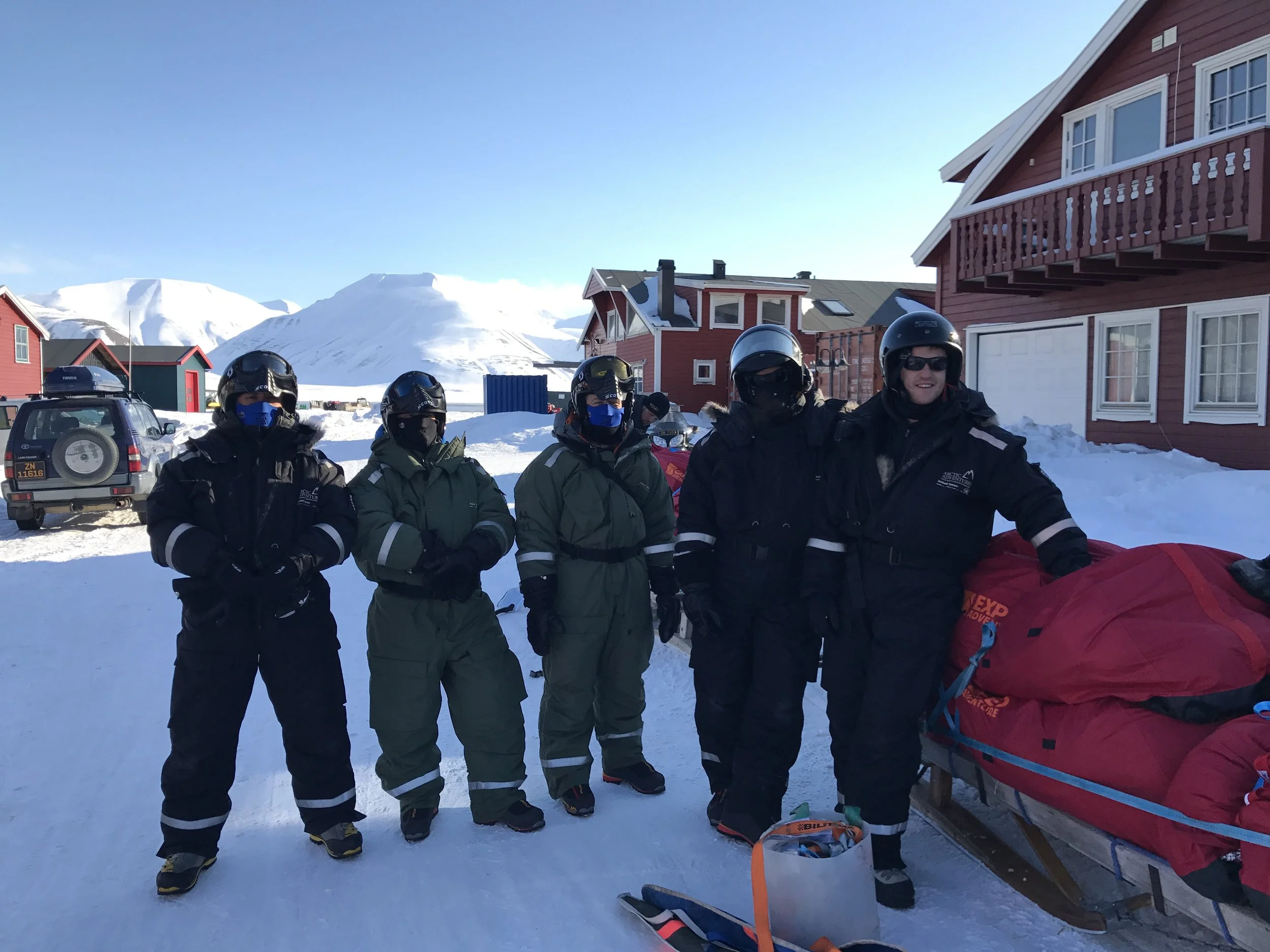
Bear watch is part of camp life on Svalbard, with team members taking turns to keep watch while others rest. Staying warm while stationary requires more insulation than skiing. We provide an expedition down suit for use during bear watch, worn over your own clothing to give you additional warmth during your shift. You will still need the boots, mitts and face protection specified on your kit list.
We will go through equipment in detail during your Scotland training course, checking your kit, explaining how each item is used and giving you time to practise with it. This is an opportunity to ask questions, identify any gaps and make adjustments before heading to Svalbard.
This video introduces the equipment and preparation needed for the crossing. We cover the key personal items, common mistakes and practical systems that help keep you warm, organised and efficient. Use it alongside your expedition kit list to understand what to bring, check your equipment and arrive ready to take part from day one.
Svalbard Kit List
Svalbard is a remote Arctic wilderness, where our crossing towards Newtontoppen takes us through glaciers and mountain terrain. Winter conditions can include very low temperatures, strong winds, deep snow and poor visibility. This kit list is designed for our multi-day expedition on Nordic skis, hauling pulks and camping in tents with expedition stoves.
Every item on this list plays an important role in the safety and smooth running of the expedition. Good kit, packed well, helps you stay warm, look after yourself and function efficiently in cold conditions.
Nordur provides the main group expedition equipment, including tents, pulks, stoves, fuel, group safety equipment, communications and a first aid kit. We also provide an expedition down suit for use during bear watch. You are responsible for your personal clothing, sleeping system, eating kit and other items listed below.
Any items available to rent through Nordur are underlined and marked with a star. Rental prices can be found in the bottom right-hand side of the drop-down menu for each relevant item.
We will go through equipment in detail during your Scotland training course, checking your kit, practising with it and identifying any gaps before departure. We will also complete a final kit check on arrival in Svalbard before heading out on the expedition.
Svalbard & Newtontoppen – Client Equipment List
Nordur Expeditions
Remote. Bold. Cold.
We’ll look at equipment in detail during the Scotland training weekend, including your layering system, footwear, sleeping system, packing and glacier travel equipment. We’ll also complete a final kit check in Longyearbyen before departure.
E – Essential
O – Optional
R – Available to rent from Nordur
Rental items are required unless marked optional.
-
Socks: three changes of a sock combination that works with your expedition boots. This may include thin liner socks and thicker wool socks. We’ll discuss your set-up during training. (E)
2 pairs vapour barrier socks: one pair for use and one spare in case of tears or damage. (E)
Underwear: at least two changes, according to personal preference. (E)
-
Base layers
2 base layer tops: merino or synthetic, ideally both long-sleeved, or one short-sleeved and one long-sleeved depending on your layering system. (E)
2 pairs thermal leggings: merino or synthetic. (E)
Midlayers and insulation
2 pairs winter-weight softshell trousers: roomy enough for thermal layers, with an adjustable waist or bib and a suitable fit over your boots. (E)
1 synthetic or down gilet. (E)
1 fleece or softshell top: ideally with a hood. (E)
1 medium-weight insulated jacket: ideally with a hood. (E)
1 expedition-weight down jacket: sized to fit over your other layers. (R)
Expedition down suit: provided by Nordur.
Outer layers
1 waterproof hard-shell jacket: with a protective hood and ventilation zips. (E)
1 pair waterproof hard-shell trousers: full-length side zips, allowing them to be put on over your boots. (E)
-
1 very warm insulated hat: for example, a Fjällräven Nordic Heater or equivalent. (E)
1 warm winter hat. (E)
1 buff or neck gaiter. (E)
1 balaclava. (E)
1 face mask: a mask will be provided for the skidoo journey. But you should bring your own for the expedition (E)
-
2 pairs liner gloves. (E)
2 pairs midweight gloves or mitts: ideally one pair of gloves and one pair of mitts. (R)
1 pair expedition mitts: very warm, with insulated inner mitts and protective waterproof outer shells. (R)
-
1 pair gaiters: if adequate gaiters are not built into your trousers or boots. (E)
1 pair insulated expedition boots: your boot choice and compatibility with your travel equipment will be checked during training. (R)
1 pair insulated tent booties: for use in camp and while sleeping. (R)
-
1 pair ski goggles: category 4 or photochromic category 2–4 lenses, with lens suitability reviewed during training. (E)
1 pair sunglasses: category 4 with side protection, or photochromic category 2–4 lenses. (E)
-
1 Ski set : SKi boots, Ski poles (essential with spare snow baskets) , Range of skins + Wax’s (R)
1 multi-tool or knife: accessible for general repairs and emergency and cutting yourself out of tent in Polar bear emergencys. (E)
-
1 avalanche transceiver. (R)
1 avalanche probe. (R)
1 avalanche shovel. (R)
-
1 lightweight glacier travel harness: adjustable over expedition clothing. (R)
Personal crevasse rescue equipment: including suitable locking carabiners, prusik loops and ice screws. Nordur will confirm the exact components and quantities to match the rope system used. Ropes are provided. (R)
1 lightweight ice axe. (R)
1 pair ultra lightweight crampons: compatible with your ski boots and approved by Nordur before departure. (R)
-
1 down sleeping bag: comfort-rated to at least −30°C, or an agreed combination of sleeping bags. We’ll review your complete sleeping system during training. (R)
1 insulated inflatable sleeping mat: for example, an Exped DownMat or equivalent winter mat. (R)
1 sleeping bag liner. (E)
Earplugs and a sleep mask: useful for shared tents and continuous daylight. (O)
-
1 insulated mug with a lid. (E)
2 long handled spoons/sporks. (E)
1 × 1-litre wide-mouth drinking bottle: with an insulated cover. (E)
2 vacuum flasks: minimum 1-litre capacity each, such as Stanley or equivalent. (E)
-
1 separate wide-mouth pee bottle: clearly marked and easily distinguished from your drinking bottle. (E)
Urination device (females): if used, practise with it before the expedition. (O)
Personal toiletries: including toothbrush, toothpaste and any menstrual products required. (E)
Wipes: all used wipes must be packed out. (E)
Travel towel: for accommodation in Longyearbyen. (E)
-
1 headtorch: with spare lithium batteries or an appropriate charging option. (E)
Power bank: minimum 30/40,000 mAh, with the charging cables you need. (E)
Book or journal. (O)
Passport. (E)
Travel insurance certificate. (E)
Medical certificate or fitness declaration: if requested. (E)
Emergency contact information. (E)
GHIC (E)
-
Expedition clothing
Expedition down suit.
Face protection for the skidoo journey.
Transport and camping equipment
Pulk, hauling poles and hauling harness.
Shared Hilleberg Keron 3GT tents.
MSR XGK stoves, cooking pots, pot handles and fuel.
Group safety equipment
Ropes for glacier travel and crevasse rescue.
Polar bear safety equipment, including rifle, flares and IceBear tripwire system.
Group first aid kit.
Emergency communications equipment.
Group repair kit for tents, pulks, poles and travel equipment. Pulk, Harness and rigid or roped system.
Avalanche Transceiver and batteries.
Snow shovel.
Avalanche Probe.
Hilleberg Keron 3 gt polar tent with snow pegs (per tent team)
MSR XGK liquid expedition Stove , Artic pump, flint and steel, windproof matches, maintenance kit and fuel.
Heat mat stove platform system
Tent brush
-
Windproof and waterproof over-mittens/Gloves (medium weight) - £TBC
Windproof and waterproof over-mittens/Gloves (heavy weight) £TBC
Heavy Down filled jacket - £TBC
4 season sleeping bag sleeping bag and liner (rated to minimum -15 comfort rating) includes 35l Ortlieb heavy duty drybag. - £TBC
Full-Length Mat/Thermarest - £TBC
Cross country skiing setup - Boots, Skis, skins and poles with snow baskets - £TBC
Arctic Bedding bag - £TBC
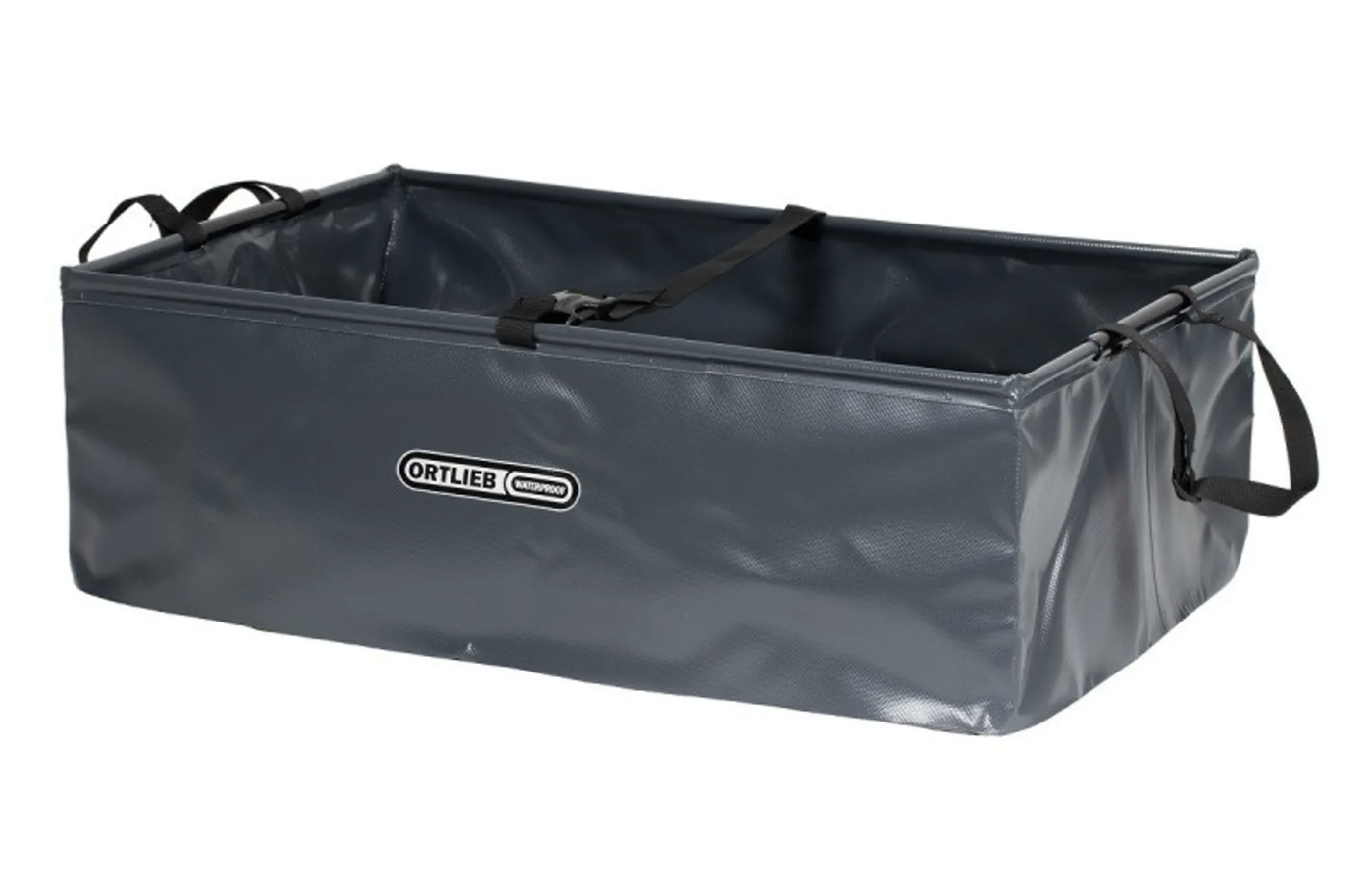
Pulk organisation system: we recommend using Ortlieb 50L Folding Bowls / Boot Liners or a similar open-topped waterproof bag system inside the pulk. (R)
These work particularly well because they sit directly in the base of the pulk and allow your equipment to be organised into separate sections. Rather than having lots of individual bags and loose equipment, you can group everything together by purpose.
For example, you might have one liner containing your sleeping bag, sleeping clothing and other equipment needed inside the tent, another containing food, and another for personal equipment or spare clothing. Larger items or your expedition duffel can then be packed around or behind these.
The advantage is that when you arrive in camp, you can simply lift out the section you need. Your sleeping equipment can go straight into the tent while food and other equipment can remain organised in the pulk.
Think of the pulk as a series of removable sections or layers. This makes setting up and breaking camp considerably faster and avoids having to unpack the whole pulk every evening.
Smaller dry bags and packing cubes: useful inside the larger liners for organising clothing, electronics and equipment that must remain completely dry. (E)
Spare lightweight dry bags: useful for wet clothing, damaged bags or adapting your packing system during the expedition. (O)
We will go through pulk packing, weight distribution and organisation in detail during the Scotland training weekend.