
Polar Training Itinerary & Logistics
The Overview
This Polar Training course is based in Beitostølen, Norway, and is designed as a practical introduction to Arctic and polar expedition travel. Over six days, we move from briefing and equipment preparation in Oslo into the winter mountain environment, where you will begin building the core skills needed to travel, camp and operate safely in cold conditions.
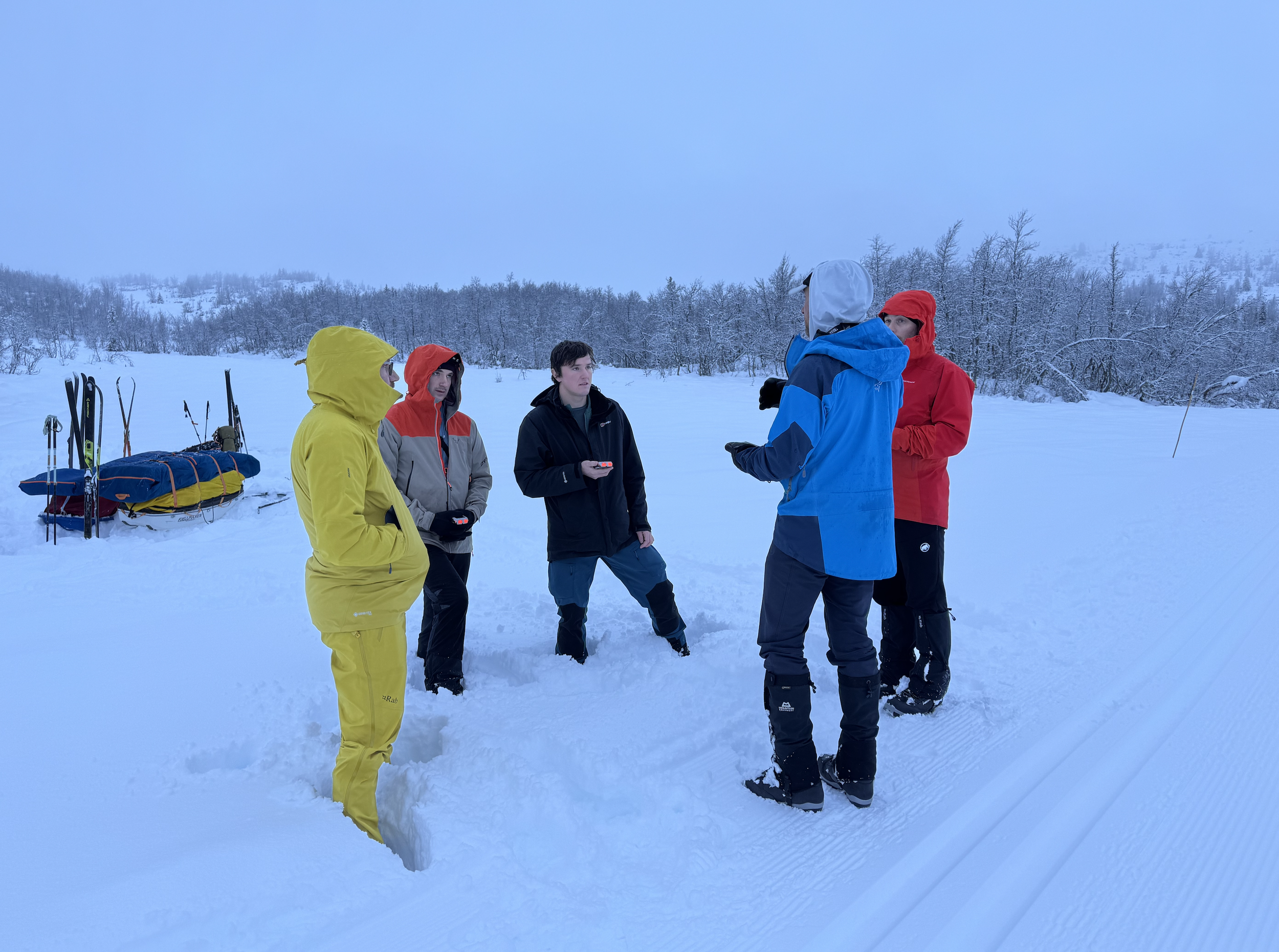
The course is built around learning by doing. You will travel on skis , haul a pulk, manage winter camp systems, cook on expedition stoves, practise winter navigation, and develop the routines needed to look after yourself and the wider team in cold weather. We will also cover key safety skills including avalanche awareness, transceiver searches, frozen lake travel, emergency procedures and basic self-rescue.
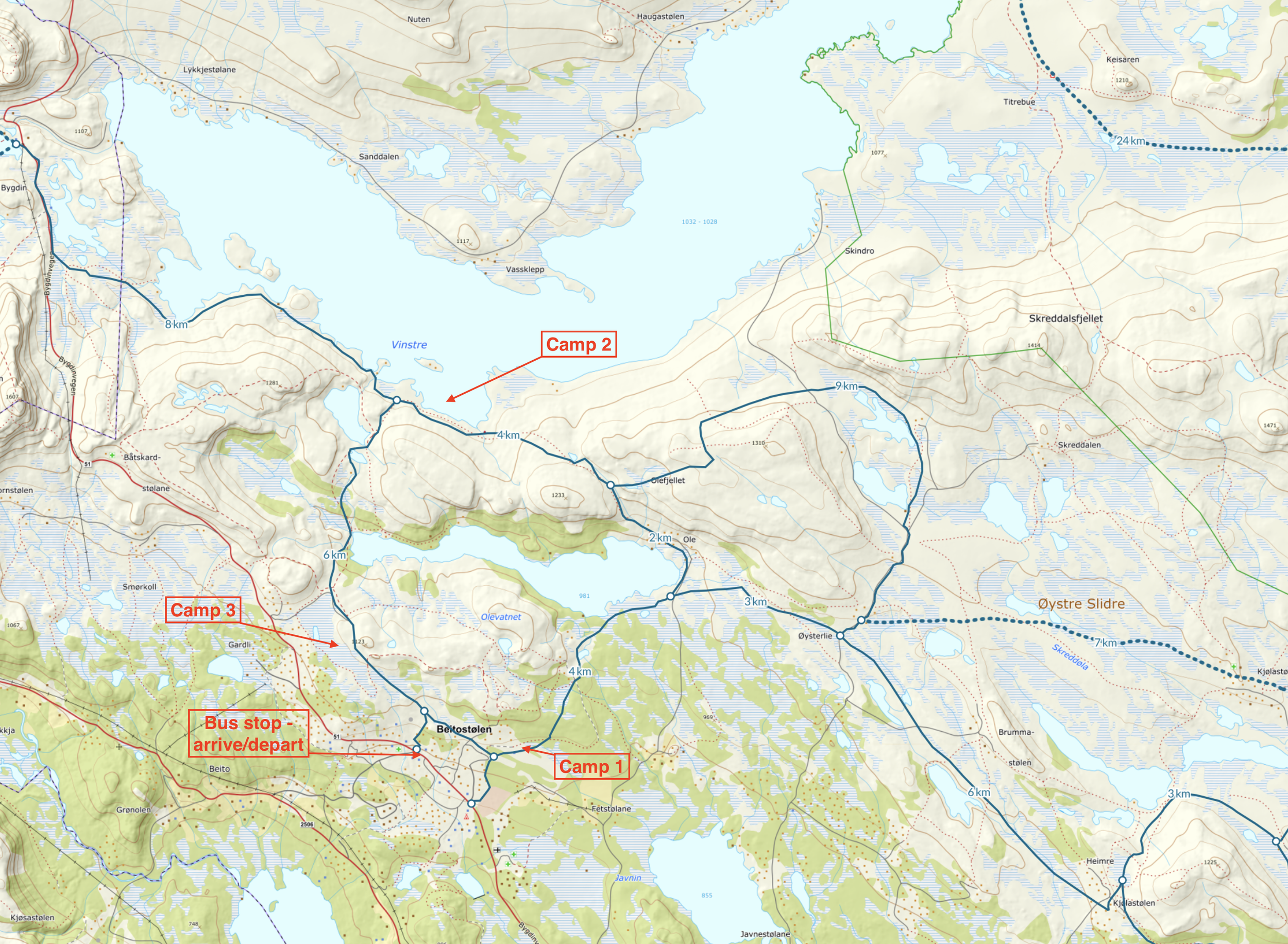
The journey covers close to 40km across frozen plateau terrain, using a mix of prepared tracks, off-track travel, camps and, where appropriate, huts or snow shelter options. The exact route and daily plan may change depending on weather, snow conditions, the team and the best learning opportunities on the ground.
By the end of the week, you should have a much clearer understanding of what polar and winter expedition travel involves: how to pack and move efficiently, how to manage camp life, how to make decisions in cold environments, and how the individual skills fit together during a journey.
This is a Level 1 expedition, so no previous polar experience is required, but good fitness, a practical mindset and a willingness to learn in winter conditions are important. The aim is to give you the foundations for future Arctic, polar and winter journeys.
The Itinerary
-
Arrive into Oslo and make your way to the group hotel. We will meet at 17:00 for the expedition briefing.
The evening is focused on getting properly prepared for the week ahead. We will go through the itinerary, discuss the conditions we may face, check personal equipment, and introduce the expedition systems we will use during the course.
You will also begin packing your pulk, looking at how to organise kit so that essential items remain accessible during the day. We will cover stove systems, fuel management and basic safety considerations before heading into the mountains.
-
After an early start(07:20am tram to bus station), we travel from Oslo to Beitostølen by bus and move into the winter mountain environment. We arrive around 12:30-13:00.
The first part of the day is about building solid foundations. We begin with movement skills on prepared tracks, working through skis, boots, bindings, skins and waxes so that everyone understands their equipment and can move efficiently on snow.
We will also introduce avalanche transceivers, including basic checks and use. Once the movement skills are settling, we bring the pulks into the system and begin travelling with expedition loads.
By late afternoon, we aim to establish our first winter camp. This will include tent pitching, snow anchors, camp layout, stove use, cooking systems, sleeping systems and keeping organised in cold conditions.
-
Day 3 builds on the skills from the previous day and moves into more realistic expedition terrain.
We begin to travel away from prepared tracks, developing confidence on skis or snowshoes while managing a pulk. The focus is not speed, but balance, control, pacing and learning how to move as a team.
Throughout the day we will continue developing core winter travel skills, including uphill movement, controlled descents, route choice and efficient transitions.
Camp routines should start to become smoother by this point. You will take more responsibility for pitching, packing, cooking and managing your own systems, with guides stepping in where needed. We may also introduce emergency snow shelters and discuss when they are useful in expedition decision making.
-
This is the main technical training day of the course.
We will spend time on avalanche awareness, including transceiver use, probing, shovelling and group rescue scenarios. We will also look at the snowpack, basic stability observations and how these inform decisions in winter terrain.
Depending on conditions, we will also cover frozen lake travel, including testing ice thickness, spacing, group protocols and safe movement across ice.
Other skills may include winter navigation, steeper off-track travel, field repairs, emergency procedures and rescue systems relevant to pulk-based travel. The aim is to understand how these skills fit together during a real winter journey.
-
On the final mountain day, we bring the week’s skills together during the journey back towards the valley.
By this stage, the systems should feel more familiar: packing, pulk travel, group movement, route choice, campcraft and decision making. Travelling downhill with a loaded pulk can feel very different from the earlier stages of the course, so we will manage the day carefully and use it as another learning opportunity.
We aim to reach transport around mid-morning to lunchtime before travelling back to Oslo. Once back in the city, there will be time to turn around kit and, where possible, have a final group meal together.
A late flight on this evening may be possible in theory, but we do not recommend relying on this due to travel timings, weather and potential delays.
-
Depart Oslo and travel home.
By the end of the course, you should have a much clearer understanding of the systems required for polar and winter expedition travel: moving with a pulk, managing camp life, using stoves safely, making decisions in winter conditions, and working effectively as part of a team.
The exact itinerary may change depending on weather, snow conditions, the team and the best training opportunities available on the ground. Flexibility is part of operating properly in winter environments.
Polar Training Course Kit List
Beitostølen in winter gives us a cold, practical environment to learn the core skills needed for Nordic ski expeditions. This kit list is designed for winter travel with skis, pulks, tents, stoves, and cold-weather camp routines.
Every item on this list plays an important role in the safety and smooth running of the course. Good kit, packed well, helps you stay warm, manage yourself properly, and learn the systems we use on longer polar and Arctic expeditions.
Nordur provides the main group expedition equipment, including tents, pulks, stoves, fuel, group safety equipment, communications, and first aid kit. You are responsible for your personal clothing, sleeping system and other items listed below.
Any items available to rent through Nordur are underlined and marked with a star. Rental prices can be found in the bottom right-hand side of the drop-down menu for each relevant item.
We will go through all kit on arrival and complete a final kit check before heading out.
-
Pulke, Harness, pulk duffel and rigid or roped system.
Avalanche Transceiver and batteries.
Snow shovel.
Avalanche Probe.
Hilleberg Keron 3 gt polar tent with snow pegs (per tent team)
MSR XGK liquid expedition Stove , Artic pump, flint and steel, windproof matches, maintenance kit and fuel.
Heat mat stove platform system
Tent brush
-
Windproof and waterproof over-mittens/Gloves (medium weight) - £20
Windproof and waterproof over-mittens/Gloves (heavy weight) £30
Heavy Down filled jacket - £50
4 season sleeping bag sleeping bag and liner (rated to minimum -15 comfort rating) includes 35l orlieb heavy duty drybag. - £60
Full-Length Mat/Thermarest - £30
Cross country skiing setup - Boots, Skis, skins and poles with snow baskets - £120
Arctic Bedding bag - £30
-
* 4 season sleeping bag sleeping bag and liner (rated to minimum -15 comfort rating.)
* Full-Length Mat/Thermarest (Neo air or Exped equivalent would be ideal - this will be vital for keeping you
warm at night as we will be sleeping on the snow.)1 litre Thermos Flask + 2 Litre drinking bottle, (Nalgene etc) camping mug and 2 sporks (preferably the
titanium ones that don’t snap in the cold.)Head torch (new batteries) and 3 x spare batteries this must be bright enough for you to walk comfortably
for several hours in the dark.Basic First Aid Kit including: antiseptic cream, throat lozenges, diarrhoea treatment (Imodium), painkillers,
plasters and blister treatment, and rehydration salts (Dioralyte), antibacterial hand wash.Sun protection factor 30 minimum (including total bloc for lips Factor 50 minimum)
Wash bag/toiletries & small towel ( Keep this to bare minimum - face wipes are ideal for washing)
“Pee Bottle” (one of the Nalgene bottles above will be used for this preferably a red one, with tape som you can feel its not your drinking bottle in the dark)
Book/Kindle & IPod/Music player
* Cross country skiing setup/Snowshoe - Boots, Skis, skins and poles with snow baskets.
Gaiters (unless integral to your boots)
-
Technical walking socks 2/3 pairs (variety is key - liners, light hikers, summit socks for specific conditions)
Slippers (for use in the tents) down or synthetic hut booties are ideal. (not essential you can just use a thick pair of socks)
Synthetic or fleece Gilet
100g fleece ideally with hood
Softshell jacket with hood or light synthetic/down
Winter walking trousers soft shells or salopettes.
Long johns (thermal full length underwear) & thermal base layer shirts (2 short sleeve, 1 long sleeve)
* Heavy Down filled jacket or very heavyweight synthetic jacket.
Waterproof jacket with hood and waterproof over-trousers (Must have full length zip)
Sunhat & warm hat.Balaclava or facemask (Balaclava is essential.
A buff could be used instead of a face mask, providing this is a system that has been used and worked for you before.)
Eyewear- ski goggles and sunglasses (Category 3/4) both will be required.
Lightweight thermal gloves (Rab Powerstretch)
* Windproof and waterproof over-mittens/Gloves (Medium weight)
* Waterproof mittens/gloves (Heavy weight) if in doubt go warmer.
The detail
Cost per person £1295
Inclusions
Accommodation – 3 nights tents
Mountain Transfers - to and from.
Meals – 3 breakfasts, 2 lunches and 3 evening meals
Use of pulk system
Mountain tents, stoves and pans
Expedition food and fuel
Medical safety equipment and supplies
Expedition team leader
Supply and use of personal avalanche transceivers.
Exclusions
Travel to and from departure airport
International flights and taxes
Personal equipment (including ski rental package)
Travel insurance
Drinks, snacks and personal spending