
Hardangervidda Crossing Itinerary & Price Overview
The Overview
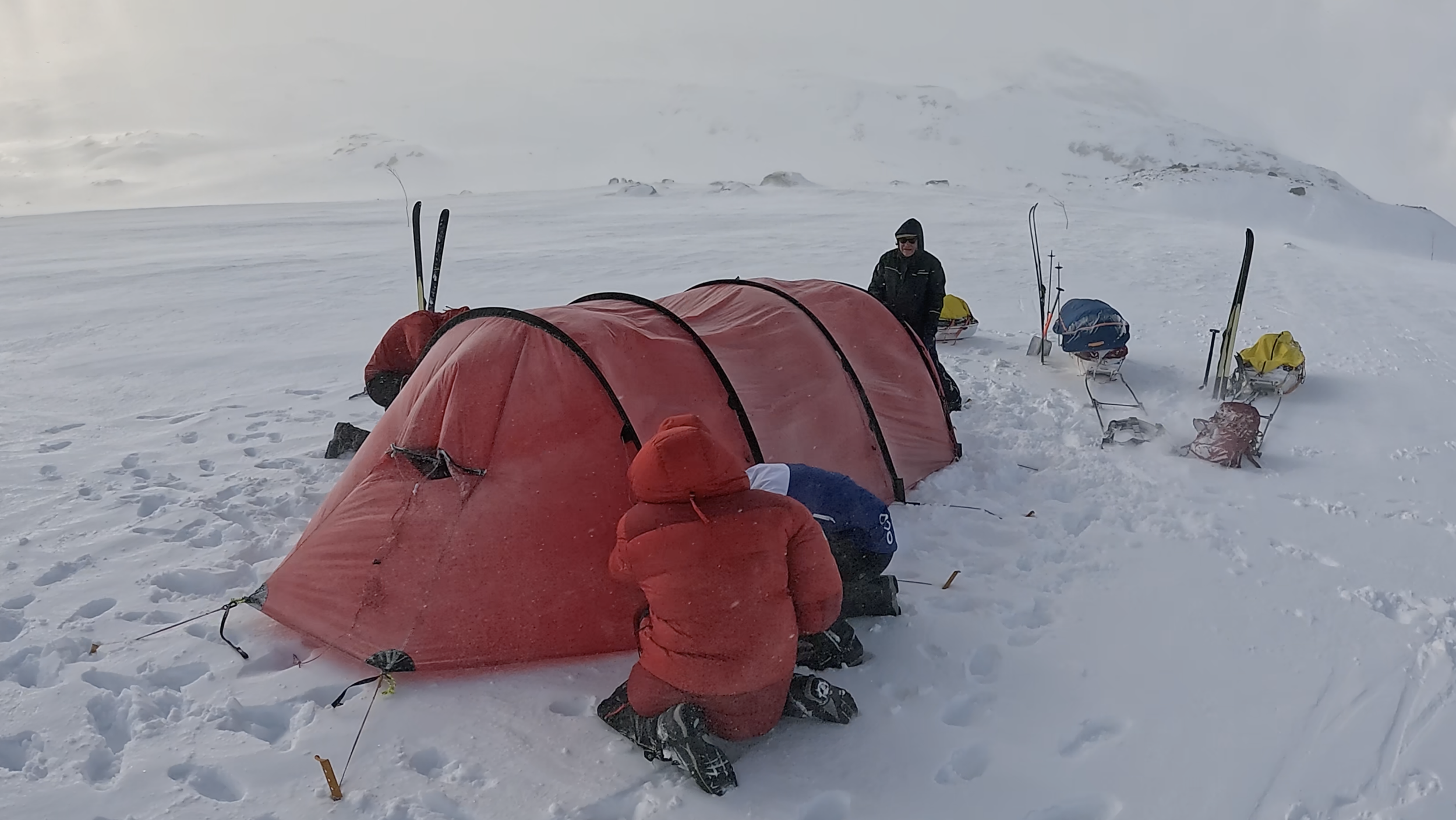
The Hardangervidda Crossing is a Level 3 ski expedition across Norway’s largest mountain plateau, designed for those ready to develop their winter skills through a longer, more demanding journey. Travelling on skis and hauling your equipment and supplies in a pulk, you will cross open snowfields, frozen lakes and rolling mountain terrain, camping along the way.
The expedition builds on the foundations of winter travel through daily practice. You will take an active role in navigation, route planning and decisions, while developing efficient routines for pitching tents, using expedition stoves and managing clothing, food and equipment. Looking after yourself and contributing to the team become increasingly important as consecutive days of travel build fatigue.
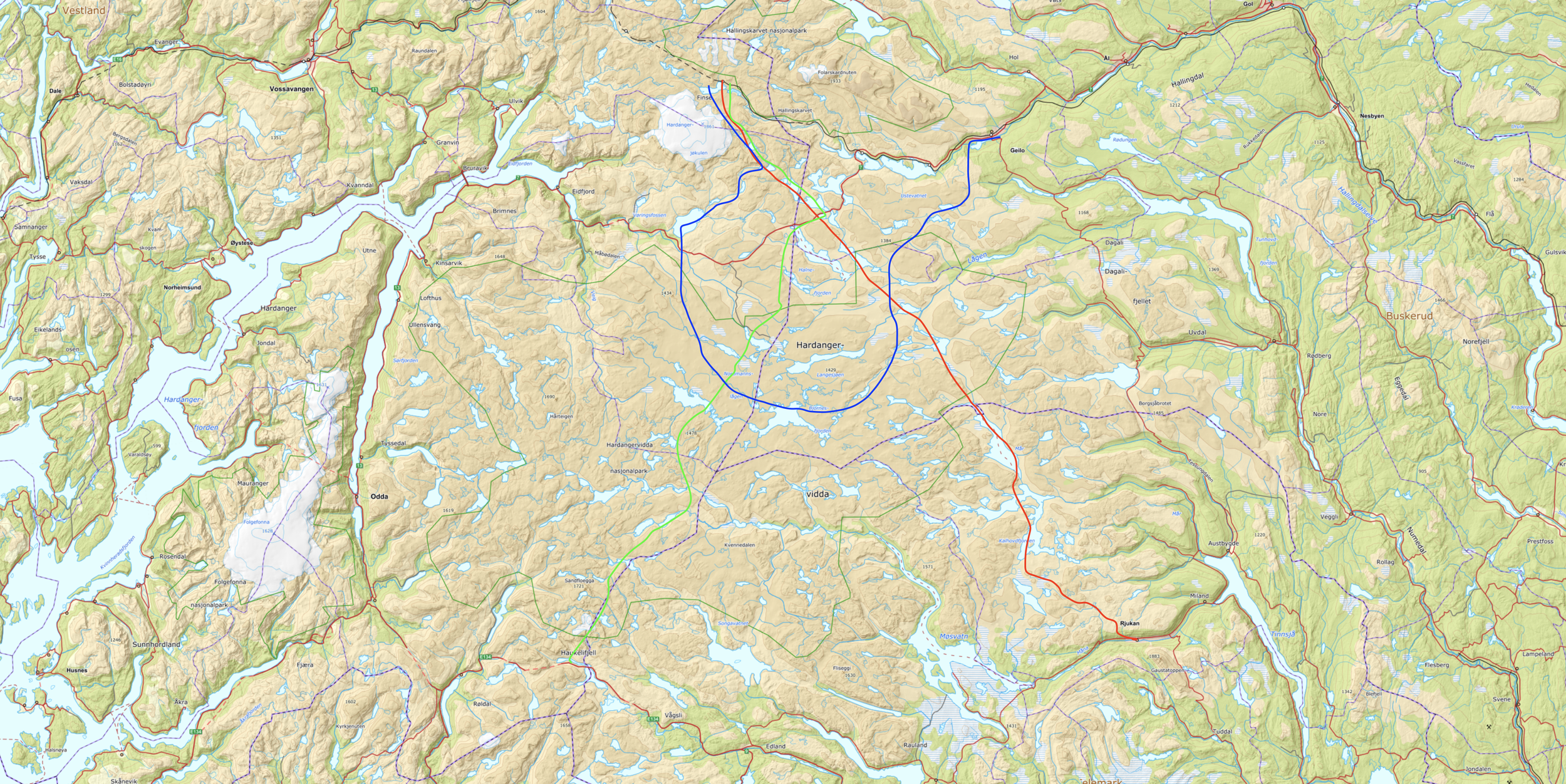
There are three main crossing options: Finse to Rjukan, approximately 140 km; Finse to Haukeliseter, approximately 135 km; and Finse to Geilo, approximately 90 km. The chosen route shapes the distance and character of the expedition, while weather, snow conditions and the team’s progress determine daily distances and camp locations. Fresh snow, headwinds and poor visibility can make otherwise straightforward terrain demanding.
Throughout the crossing, your guide will share their assessment of conditions and involve you in the decisions that shape the journey. You will develop your understanding of pacing, navigating in poor visibility, selecting sheltered camps and adapting plans when conditions change. The aim is to become more capable and confident in winter expedition travel, with practical experience to draw on during future Arctic and polar journeys.
This is a sustained physical challenge requiring good fitness and the ability to manage yourself through long days in cold conditions. As a Level 3 expedition, it builds on existing winter experience and familiarity with the essentials of ski travel and camping. A willingness to take responsibility, work as part of a team and keep learning is central to the crossing.
-
After flying into Oslo, we’ll meet at a central hostel, depending on flight times. The atmosphere will shift immediately when we all pile in, surrounded by piles of equipment. You’ll notice the curious looks from other guests as we take over the corridors, sorting through gear, forming new tent teams. There’s always that electric buzz in the air—this is the gear you’ve been thinking about for months, meticulously prepared, now packed into one blue shell with a red bag, ready to be dragged 145km across the frozen wilds.
It feels a bit like the night before Christmas when you were a kid—excitement battling with tiredness. Early start ahead, and the thoughts begin to roll: Am I ready? Am I fit enough? Do I have everything? But that’s part of it, the nervous energy, the shared glances between the group, all knowing we’re in this together. The next day, it’ll all become real.
-
The morning always feels like a blend of rush and calm as we make our way to the station, ensuring our pulks are packed and everything fits. Once we’ve secured our spots on the train, the mood shifts—3.5 hours of relaxation ahead. The journey itself is a chance to settle in, watch the scenery change, and start feeling the pull of the wilderness. By the time the Hardangerjokulen glacier comes into view, you know it’s getting close. Bellies usually full of waffles and hot dogs, we start to pull on our boots and layers, wrapping up as the cold waits for us.
Stepping off at Finse station feels like stepping onto the top of the Cairngorm Plateau—it’s instant. The cold hits, the brightness of the snow is almost blinding, and the world feels vast. We clip into our skis or snowshoes, harnessing up the pulks, and just like that, we’re off, moving across the snow towards our first camp. 15 kilometres ahead of us, and the adventure is truly underway.
-
Days on the Plateau – Finding Our Path
Each day we’ll make our way across the plateau, moving south-east, but this journey is anything but predictable. Weather, snow conditions, and group experience will guide our decisions, and that’s the beauty of it—no two days are ever the same. Together, we’ll decide our path, avoiding the well-worn trails to camp in places where few people ever go. It’s remote, it’s wild, and there’s something deeply satisfying about finding our own way through.
You’ll get into the rhythm of expedition life: packing up camp in the morning, pulling the pulks across vast white expanses, with each day pushing you a little further. We’ll be on the move for 6 to 10 hours a day, depending on the conditions, but it’s all part of the adventure. Some days will feel long, others will fly by, and every day we’ll be a little closer to the finish line—though the goal is really just to be out there, together, in the heart of the Arctic.
-
Skills for the Journey – Preparing for the Next Step
During our time on the plateau, you’ll have the chance to build snow shelters—an essential skill in these environments—and learn winter navigation using poles, snowshoes, and compass bearings in combination. These are not just skills to get through the days, but key lessons for moving confidently through harsh conditions.
By the time we finish, you’ll be ready for the next step on the polar ladder. The skills and experience you gain here will set you up perfectly for more extreme adventures—whether it’s aiming for the poles or venturing into the wilds of Svalbard. This journey is just the beginning, and with what you’ll learn, you’ll be well-prepared for bigger, bolder challenges ahead.
-
Mastering the Winter Environment
Throughout the expedition, you’ll dive into the essentials of winter safety—learning about the hazards that come with the season, how to analyse the snowpack, and develop a keen sense of avalanche awareness. These aren’t just survival tips; they’re skills that will give you confidence in making decisions in challenging conditions.
By the end of your expedition, you’ll have a solid foundation in managing yourself in remote, multi-day winter conditions. From mastering winter camp-craft to moving efficiently in snowshoes or skis and pulling pulks, you’ll leave with the experience needed to handle these environments with confidence. It’s a journey of growth, one that takes you deeper into the world of polar travel and prepares you for even greater adventures.
-
Living the Polar Rhythm
Each day begins with the cold nipping at your joints, but there’s something magical about the low Arctic light—it’s a kind of dawn you only find out here, with nothing man-made in sight. Wrapped up warm in your sleeping bag, you can feel the frozen breath you exhaled overnight. The first person to stir lights the stove, slowly thawing the block of ice that was once your water. That’s when you know the day is truly beginning—the frost melts, and the camp comes to life.
There’s a rhythm to it now: roll mats are tidied away, sleeping bags stuffed, clothes tucked in, and tents collapsed. Every movement has a purpose, driven by efficiency but also the growing pleasure of this nomadic life. The real moment of satisfaction comes when everything’s packed—when it’s just you, the harness and poles, skis or snowshoes strapped on, and the open white ahead.
It’s a feeling only those who’ve truly lived the nomadic polar lifestyle can understand—a pure, simple pleasure in knowing that the day is yours to move across the wilderness, with nothing but the rhythm of your own steps and the vastness around you.
-
We plan for this day to give us flexibility. Conditions on the Hardangervidda can change quickly, and it's not unusual to need a day in hand—whether for poor visibility, high winds, or just to move more slowly as a team. If the crossing goes to plan, this becomes a spare day to rest, adjust kit, or explore locally near our exit point. If we’ve used it earlier in the trip due to weather, we’ll already be back in position to travel home. It’s not about making things easier—it’s about building in resilience.
-
The Final Descent into Rjukan
Today, we complete our crossing of the Hardangervidda plateau, descending steeply into Rjukan and reaching the comfort of our 3-star Scandinavian winter hut. There’s a sense of celebration in the air—a hearty meal and drinks waiting for us, the warmth of running water just a twist of the tap away. You’ll feel that strange pull: part of you can’t wait to wash off the days of sweat and snow, but there’s already a nagging thought in the back of your mind—What am I losing by stepping back into comfort?
By the time you step out of the shower, you’ll realise just how bad the expedition clothes really smelled, but even then, the pull is there. You’re already scrolling through your phone, looking at the pictures, reliving moments from the journey, and quietly dreaming about your next adventure. It’s a feeling only those who’ve lived this lifestyle understand—no matter how hard it is out there, you’ll want to dive right back in.
-
-
Homeward Bound – A World Apart
As we board the bus back to Oslo, the contrast hits you—after days of isolation on the plateau, we’re suddenly back among the hustle and bustle. The snow and silence give way to the noise of the city as we continue straight onto the train to the airport. It’s always a strange feeling, adjusting from the purity of expedition life to the pace of modern travel.
For those looking to extend their stay, Oslo has much to offer. The Fram Museum, dedicated to polar exploration, is a must-see—just stepping into the museum is like stepping back into the world we’ve just experienced, and it’s worth the journey to Oslo alone. Explore the city, soak up the culture, and reflect on the adventure you’ve just completed.
For the rest of us, it’s time to head home, filled with memories of the Hardangervidda and already thinking ahead to the next adventure. Because no matter how much comfort the city brings, there’s something about the pull of the wilderness that keeps calling us back.
There are three major crossings across the Hardangervidda Plateau
Finse - Rjukan - 140kms
Finse - Haukeliseter - 135kms
Finse Geilo - 90kms
The Detail
Cost Per Person £2995
Inclusions
Accommodation – 7 nights tents / 2 nights Hotel
Mountain Transfers - Oslo to Finse Train + Rjukan to Oslo Buses
Meals – 8 breakfasts, 7 lunches and 8 evening meals
Use of pulk system, Transceiver, probe and shovel
Mountain tents, stoves and pans
Expedition food and fuel
Medical safety equipment and supplies
Expedition team leader (1:6 max ratio)
Exclusions
Travel to and from departure airport
International flights and taxes
Personal equipment (including ski rental package)
Travel insurance
Drinks, snacks and personal spending
Contingency budget incase of bad weather please see section on this for more info.