Your Yukon & Logistics
The Overview
This expedition follows 415km of the Yukon River by canoe, travelling with the current through north-west Canada and living from the boats each day. For eight days the team will move downriver, camping on the banks, cooking outside, collecting water, managing kit, and settling into the steady work of a proper canoe journey.
The Yukon is not a passive trip. Everyone is part of the expedition: paddling, loading boats, setting camp, preparing food, making decisions, and looking after each other in bear country. The days are long, but the pace of the river gives the journey its rhythm — early starts, big distances, quiet stretches of water, forested banks, gravel bars, changing weather, and evenings built around camp routines.
This is a self-supported expedition with proper preparation behind it. The UK training course will cover canoe skills, camp craft, equipment, safety systems, and the practical realities of operating in the Yukon. By the time we arrive in Canada, the aim is for the team to understand not just where they are going, but how to live and work together on the river.
The Itinerary
-
-
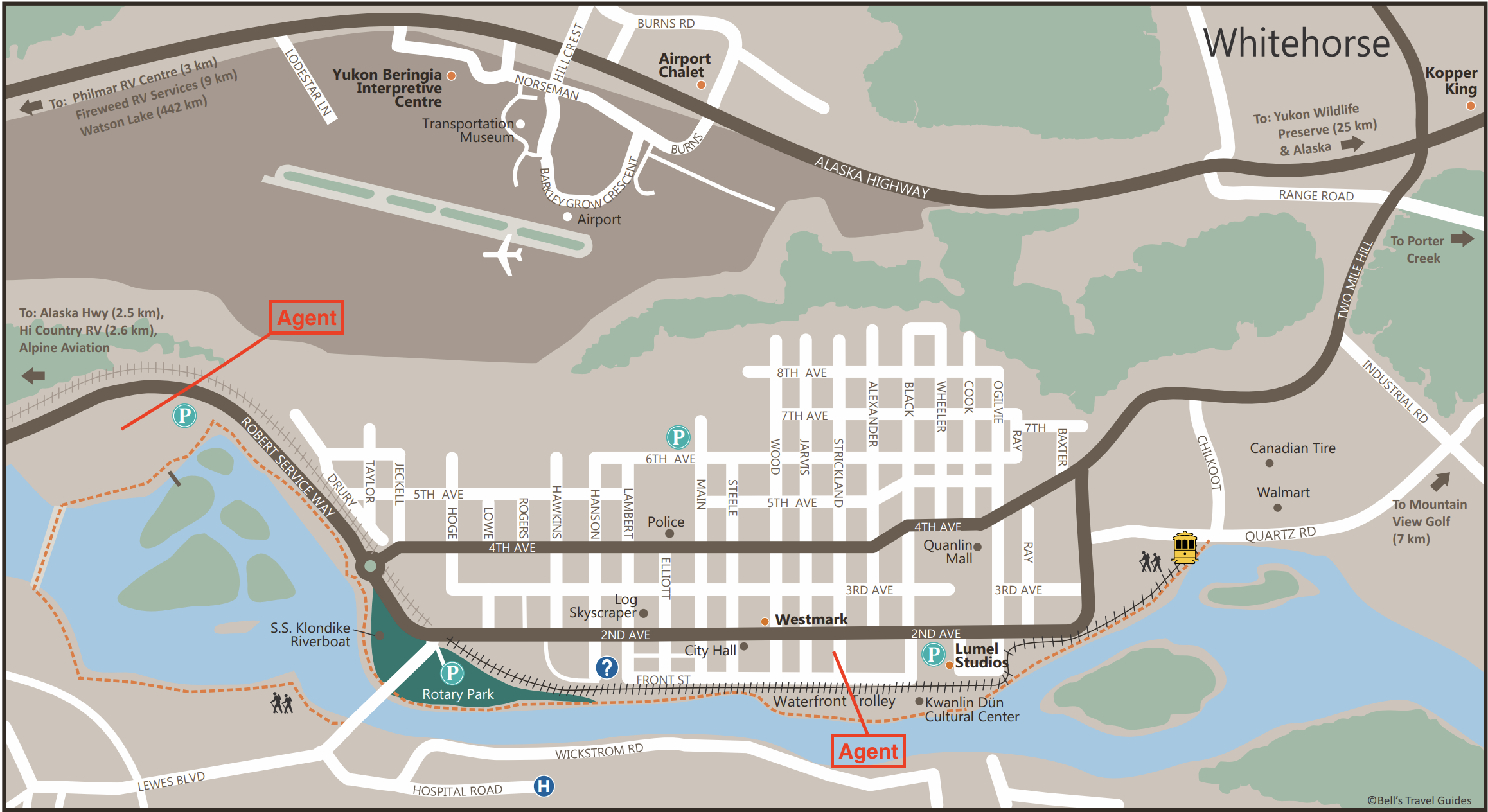
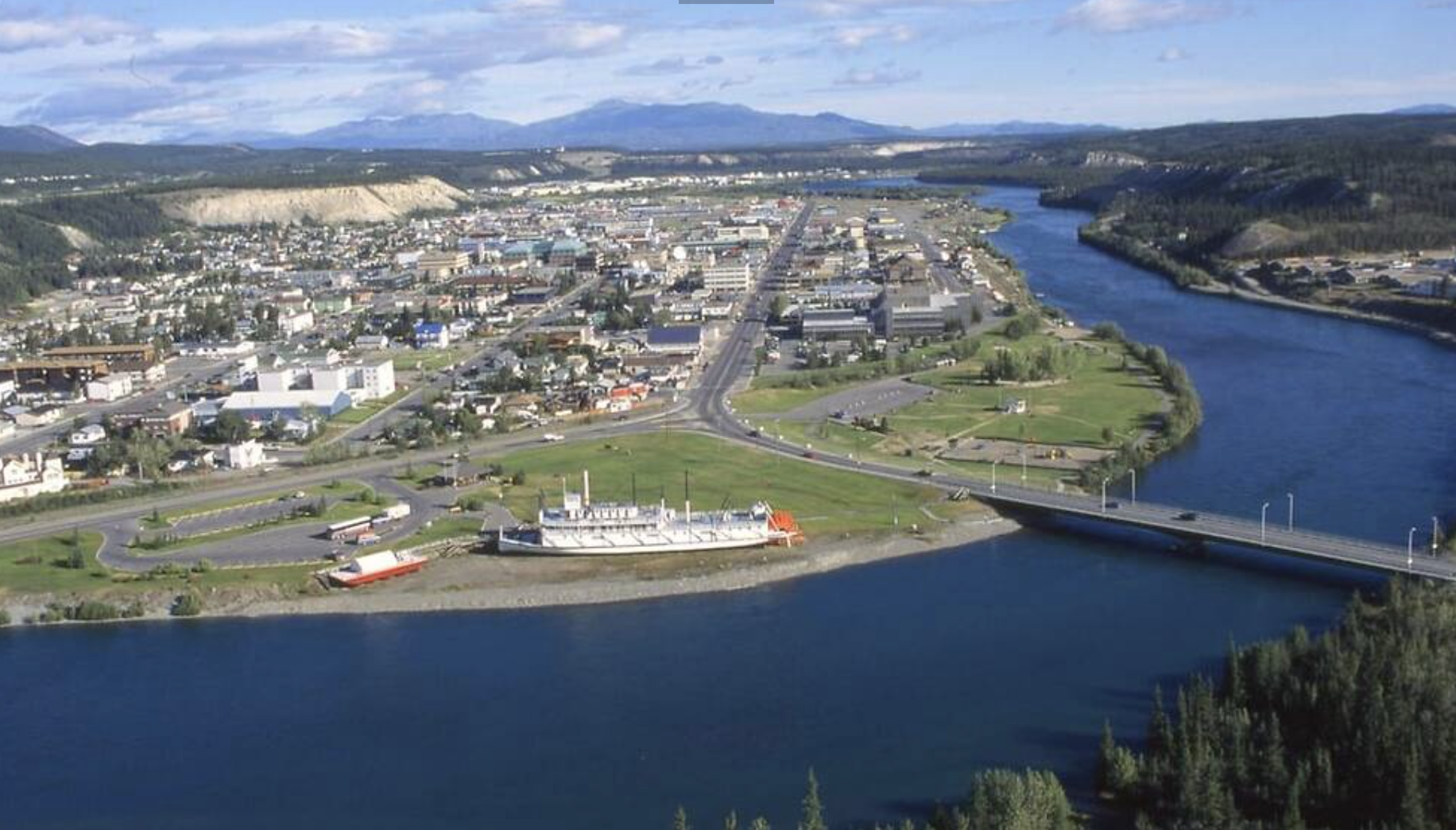
A full day in Whitehorse for final preparations with the group. We use this time to check personal and group kit, sort packing systems, organise food and expedition equipment, and make sure everything is ready before heading to the river. It also gives everyone time to settle after travel and begin shifting into expedition mode.
-
We start the day with a 2 hour journey to Carmacks. The expedition begins in Carmacks, once a sternwheeler stop and supply point, named after George Carmack whose gold discovery at Bonanza Creek triggered the Klondike rush. The canoes are loaded, and the first strokes downstream quickly reveal the pull of the current. The Yukon moves broad and steady, carrying the group past spruce forest, cutbanks, and islands. It takes little time to find rhythm and to feel the immensity of travelling this waterway. Camp is made a few hours downstream on a gravel bar, the river’s song filling the night.
Distance: 40 -
By the second day the river feels familiar, bends sweeping in great arcs, wooded islands splitting the current into multiple channels. Wildlife is a constant companion — bald eagles, beavers slipping under the water, the possibility of moose along quiet backwaters. The sense of history is also close: in 1898 stampeders floated down this same section on rafts, often ill-prepared, their journey precarious. The day ends with camp among the trees, routines of tent life and cooking already becoming second nature.
Distance: 60 -
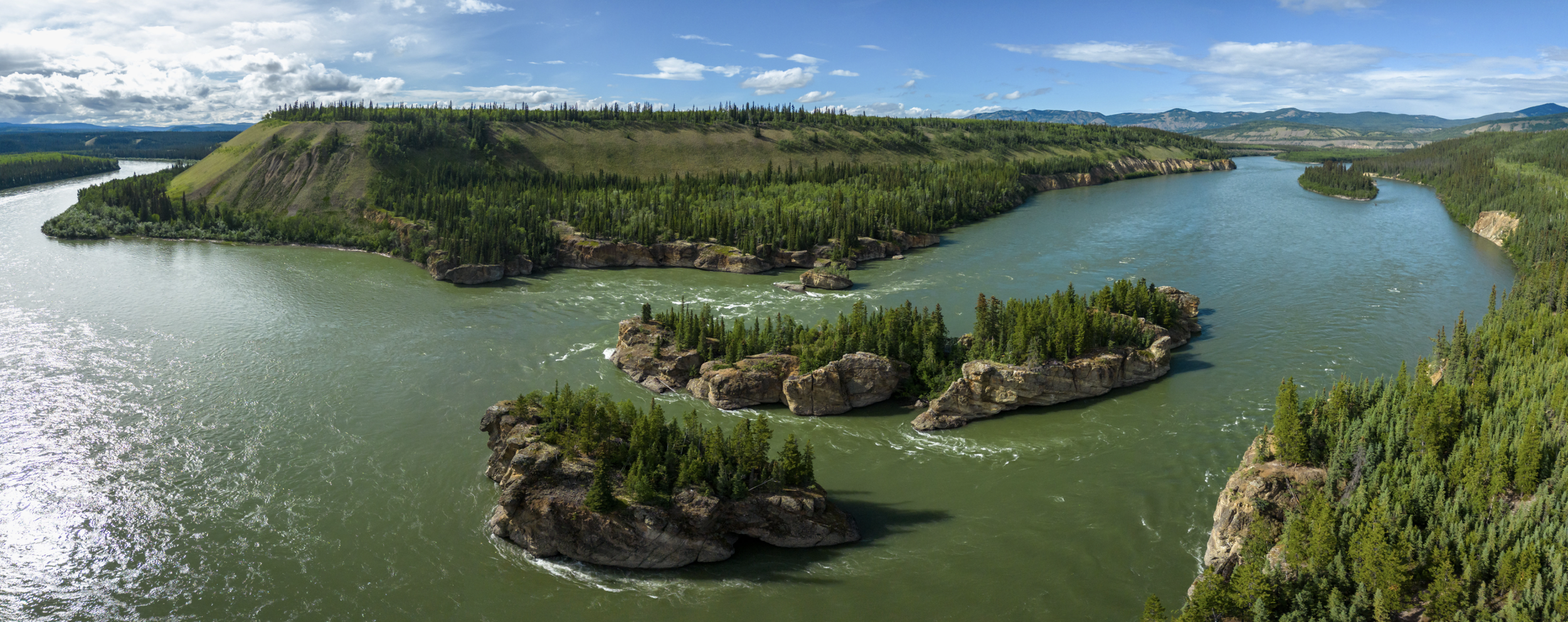
This is one of the most iconic stretches of the whole Yukon. The river narrows and accelerates toward the granite pillars of the Five Finger Rapids. For stampeders, this was one of the great hazards; many boats were lost here. Today, the right-hand channel is run with care, the thrill still palpable. Not far beyond lie Rink Rapids, another lively stretch. Between these rapids and the miles of forest, the day carries the canoes deep into the character of the river. Camp is found downstream, often on a long gravel island.
Distance: 60 -
The canoes sweep on into a broadening valley until the cabins of Fort Selkirk come into view. Once a Hudson’s Bay Company post and later a telegraph station, the fort was abandoned in the 1950s but is now carefully maintained by the Selkirk First Nation. Wandering among the log buildings, it is easy to picture traders, missionaries, and families who lived here. The site tells stories of commerce, culture, and change along the river. After time to explore, camp is made nearby, with the evening often spent discussing the layers of human history in a landscape that otherwise feels so untouched.
Distance: 60 -
Below Fort Selkirk the Yukon opens out again and begins to feel even bigger. Islands divide the water into multiple channels, and the group must stay attentive to follow the strongest current and make good choices through the braided sections. This is a day of steady travel, good boat handling and strong expedition routine rather than any single dramatic feature. Forest stretches away on either side, the sky feels larger, and the river’s scale becomes more and more apparent. By the time camp is made, the team is usually moving more efficiently and with much more confidence than in the early days of the trip.
Distance: 60
-
The middle river is big country. Below Fort Selkirk, the Yukon broadens further, and islands split the flow into shifting channels. The current adds speed, distance is covered steadily, and the sense of being committed to a long river journey deepens. Eagles are common, often perched on driftwood snags, and the occasional abandoned cabin appears as a reminder of earlier settlement attempts. Camp is usually made on a sandbar with wide views of the sky, where the late-summer evening can feel vast and quiet.
Distance: 60
-
The confluence with the Pelly River is one of the most dramatic points of the expedition. A surge of new water joins from the east, almost doubling the size of the Yukon. The sense of wilderness deepens here — the river broad, powerful and seemingly endless, with high sand and gravel banks rising above the canoes. From time to time the line of the old telegraph trail can still be glimpsed through the trees, one of the few reminders of human presence. Later in the day the river carries the group steadily north-west, and camp is made on a final wild island or bank before the last push towards Dawson.
Distance: 60
-
The final day brings a mix of anticipation and reflection. The river bends west, the current remains strong, and before long the outlines of Dawson City begin to come into view. This was the epicentre of the Klondike gold rush, and today its boardwalks, false-fronted buildings and saloons still hold that history close. The canoes glide towards the confluence with the Klondike River, marking the end point of the journey. Gear is unloaded and stowed, and there is time to take in the town, walk the streets and mark the end of the expedition together. This is still a planned camping night but we can choose to upgrade to hotel (at your cost) if people choose to.
Distance: 15
-
An early transfer back to Whitehorse. After days on the river, the road journey back gives time to reflect, sort kit and begin the shift out of expedition life. Overnight in Whitehorse.
-
Depart Whitehorse at 05:00 for the return journey home.
-
Arrive back in Edinburgh at 07:20.
Packing List
-
Canoe
Buoyancy aid
Paddle
Helmet
Tent
Stove
60litre sealed barrel
-
Swimwear for dipping
Waterproof Jacket with hood - doesn’t have to be an expensive gore-tex trekking jacket as we are based in canoes it can be more of a fishing/workwear style but must have a hood!
Waterproof trousers - cannot be waders where there boots and trousers are attached these create a risk of difficulty getting out of the water. (https://www.outdoorclothing.co.uk/mens-c4/trousers-c36/mens-deluge-2-0-pant-p12034?srsltid=AfmBOooZMsWUNDKnMSPCh7vp2JcAbGx0nYAjci4nbk0PTYZzCAoJYesH)
Old trainers, wetsuit boots.
Wellies (full length) variety of sock options for different temps.
Camp shoes or sandals - something dry/comfortable for camp. I will be using a pair of crocs.
Warm socks for before and after paddling
Sun cap
Warm hat and Gloves (spare of each)
Sunglasses +Retainers
Even cheap sunglasses are easy to lose in a canoe, bring a simple glasses strap.Spare prescription glasses/contact lenses
If anyone relies on glasses or contacts, they need a spare set.Knee pads - something like these (https://dvspowertools.co.uk/shop/safety-workwears/knee-pads/dewalt-dwst590014-flooring-knee-pads-with-gel/)
-
Towel
Toiletries
Any personal medication
Sun cream (factor 50)
Lip block (factor 50)
2 x Nalgene Water bottles 1litre (water will be boiled/filtered so bottle needs to be capable of taking boiling water)
Flask for hot drink 1litre (https://www.amazon.co.uk/Stanley-Classic-Legendary-Vacuum-Bottle/dp/B000T21JFE?th=1)
Phone in a waterproof case or small dry bag
Personal first aid items such as blister plasters if needed
-
Knife, fork, spoon, bowl and plate for eating with. Robust mug , not ceramic for soups and hot drinks.
Roll Mat/sleeping mat (We rent for course & expedition - course rental £20)
Sleeping Bag comfort + liner rating down to -2 (We rent for course & expedition - course rental £35)
Headtorch
Powerbank for electricals (min 10000Mah → Powerbank for electricals, minimum 10,000 mAh
Biodegradable soap / hand sanitiser
Toilet kit- Small personal toilet roll supply in a dry bag, hand sanitiser, and period products if needed.
Notebook/pencil/book/cards
Good for evenings, especially if phones are being saved for photos/emergency comms.Hand cream - Dry air, water, sun and repeated washing can crack hands surprisingly quickly.
-
I would plan to have one full set of clothing with two spares of each. I.e
3 sets of leg wear - shorts, thermal long johns and trekking trousers.
Top layers short sleve base layer, long sleeve thermal base layer, another SS base layer.
Outer top layer - Fleece, cotton hoodie, Synthetic jacket/down jacket or bulky fleece.
3 set of underwear, 5 sets of socks (make sure they are fast drying and a range of different styles and thicknesses for the conditions - ranging from light trekking sock to thicker woollen.
Comfortable dry clothes for camp.
Warm fleece/down jacket/synthetic down for cold evenings
Under wear (3) and socks (5)
Base layer top and bottom
-
Mosquitoes, blackfly and midges can be part of travelling in the Yukon, especially around camp, sheltered shorelines and in still, damp weather.
Please bring:
Bug jacket or head net — a full bug jacket is critical!
Insect repellent — DEET or Picaridin/Icaridin-based repellent works well. Bring enough for the full trip.
Long-sleeved, lightweight clothing — useful for evenings in camp when insects are active.
Light gloves — these can be useful in camp if insects are bad around your hands.
Please do not rely only on repellent. A bug jacket makes evenings in camp much more comfortable.
-
Please pack your kit in packing cubes, dry bags or shopping bags. Your personal kit will go into your 110L dry bag and 60L sealed barrel. If it was me I would purchase an external bag that goes over your big Ortlieb bag to protect it on the plane.
-
Loose footwear that may come off in the water
Valuable items you do not want to risk getting wet here
Jeans
Cotton hoodies - keep it only for camp comfort, not paddling.
Personally I would use your base layers as PJs
-
Pack simply and clearly
Try not to bring lots of loose items. Use packing cubes, dry bags or even tough shopping bags to divide your clothing, sleeping kit, wash kit and personal items. It makes life much easier when we are loading and unloading canoes every day. https://www.amazon.co.uk/Suitcases-Essentials-Toiletries-Organizers-Bags-matcha/dp/B0GHQX2QVQ/ref=asc_df_B0GHQX2QVQ?mcid=aec4e2fdc68033c8ae38b7f40c53b2bb&tag=googshopuk-21&linkCode=df0&hvadid=784426165114&hvpos=&hvnetw=g&hvrand=11576172917903325947&hvpone=&hvptwo=&hvqmt=&hvdev=c&hvdvcmdl=&hvlocint=&hvlocphy=9045886&hvtargid=pla-2475913228694&hvocijid=11576172917903325947-B0GHQX2QVQ-&hvexpln=0&gad_source=1&th=1Expect some kit to get damp
We will work hard to keep everything dry, but this is a canoe expedition. Anything important should be inside a dry bag or waterproof case. Do not bring anything valuable that you would be upset about damaging or losing.Keep one set of clothes dry for camp
Your camp clothes are your reset at the end of the day. Keep them protected and do not paddle in them unless absolutely necessary.Do not overpack
Space is limited. You will have your personal dry bag and barrel space, but every item still needs to be packed, carried, loaded and unloaded each day.Think in systems
Have a paddling system, a camp system and a sleeping system. This makes it much easier to stay organised, especially if the weather is poor or the insects are bad.Use base layers as pyjamas
There is no need for bulky pyjamas. A clean base layer top and bottom works well for sleeping.Keep important items together
Medication, glasses, passport, phone, powerbank, headtorch and travel documents should all be easy to find and well protected.Food, toiletries and anything scented must be managed carefully
The Yukon is bear country. Food, rubbish, toiletries and scented items should never be kept loose in tents. We will explain the camp system during the expedition, but please avoid bringing strongly scented toiletries.
-
All drinking water will be boiled, filtered or treated, but river water can sometimes have a slightly earthy, smoky, silty or mineral taste. Some people find this completely fine, while others prefer to disguise the taste.
Please consider bringing a small supply of:
Water flavouring drops
Diluting juice / squash in a small bottle
Electrolyte tablets or powder
Hot drink sachets for evenings and mornings
Do not rely only on tea, coffee or hot chocolate. You still need to be drinking plenty of plain water during the day, so having something to flavour your water can really help.
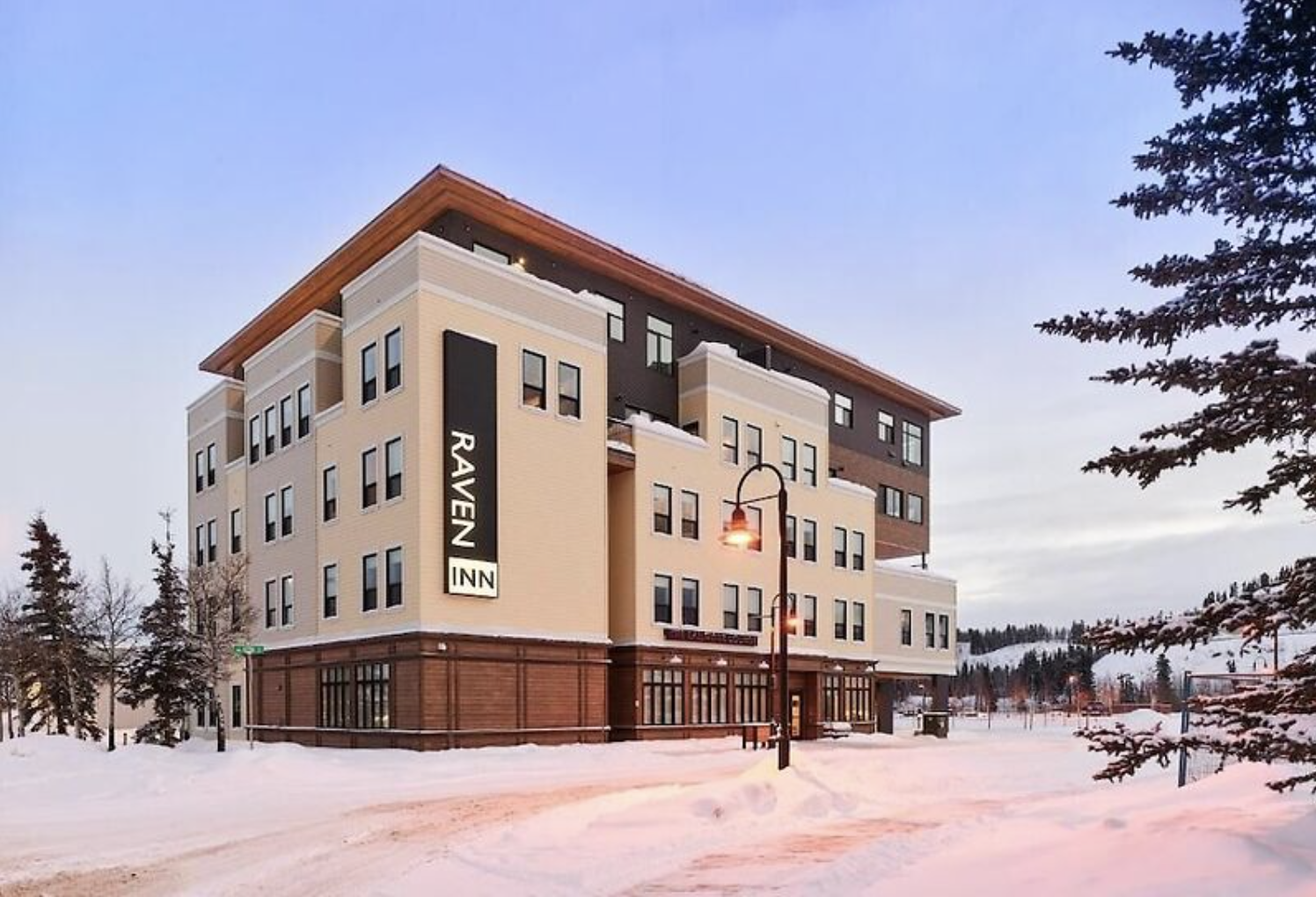
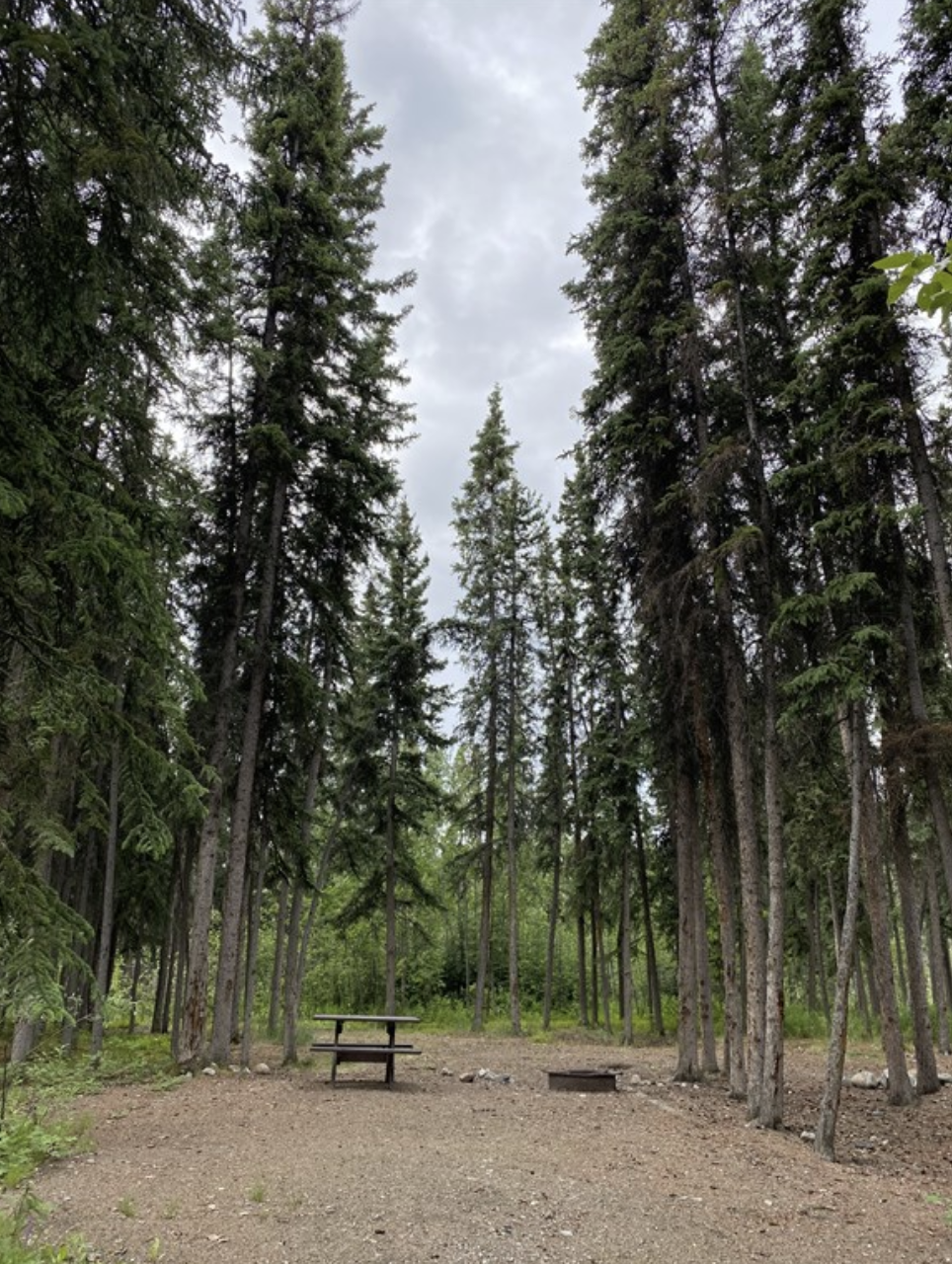
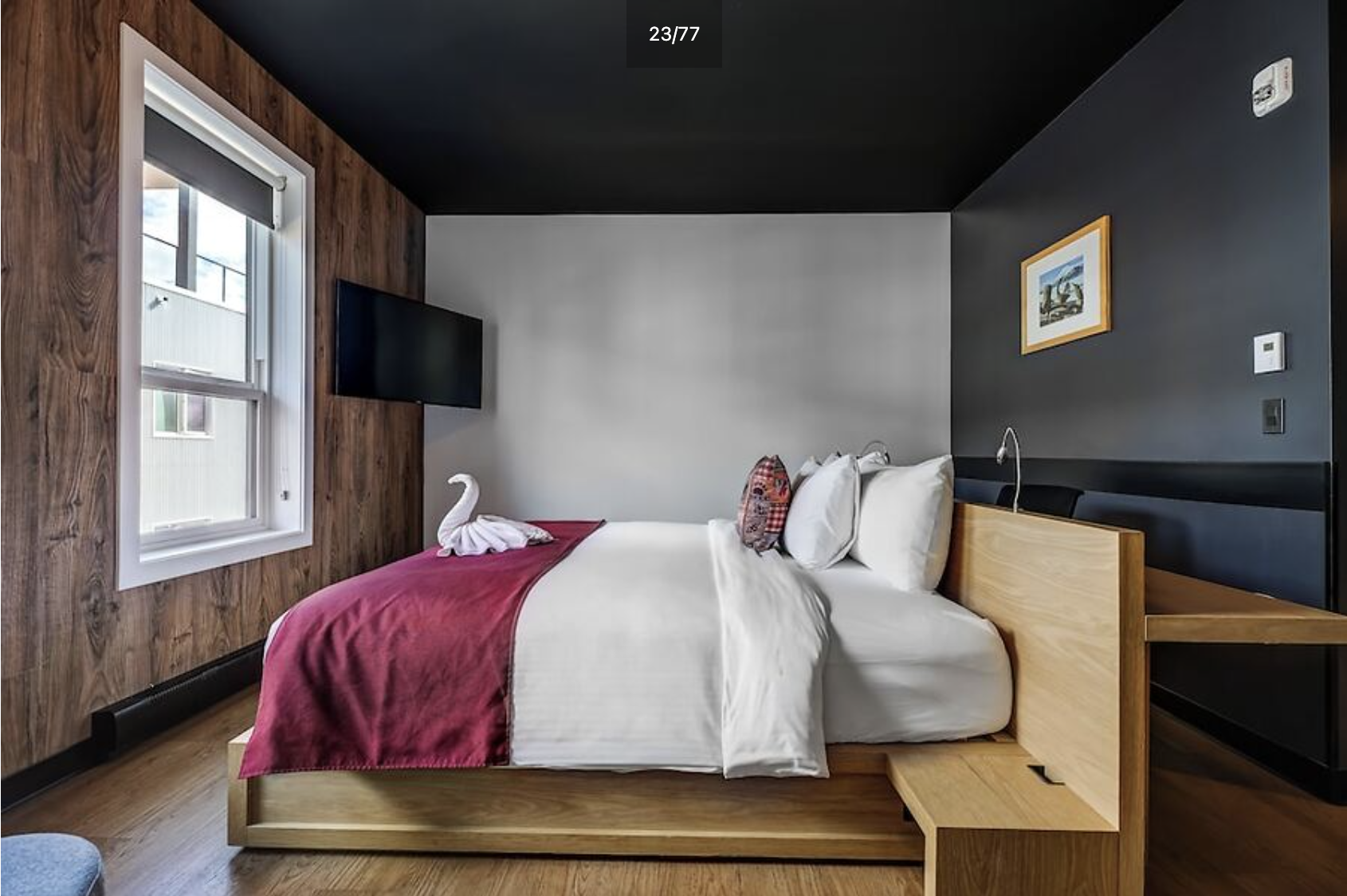
Accommodation White horse D1+2 (Camp) D11(Raven Inn)