
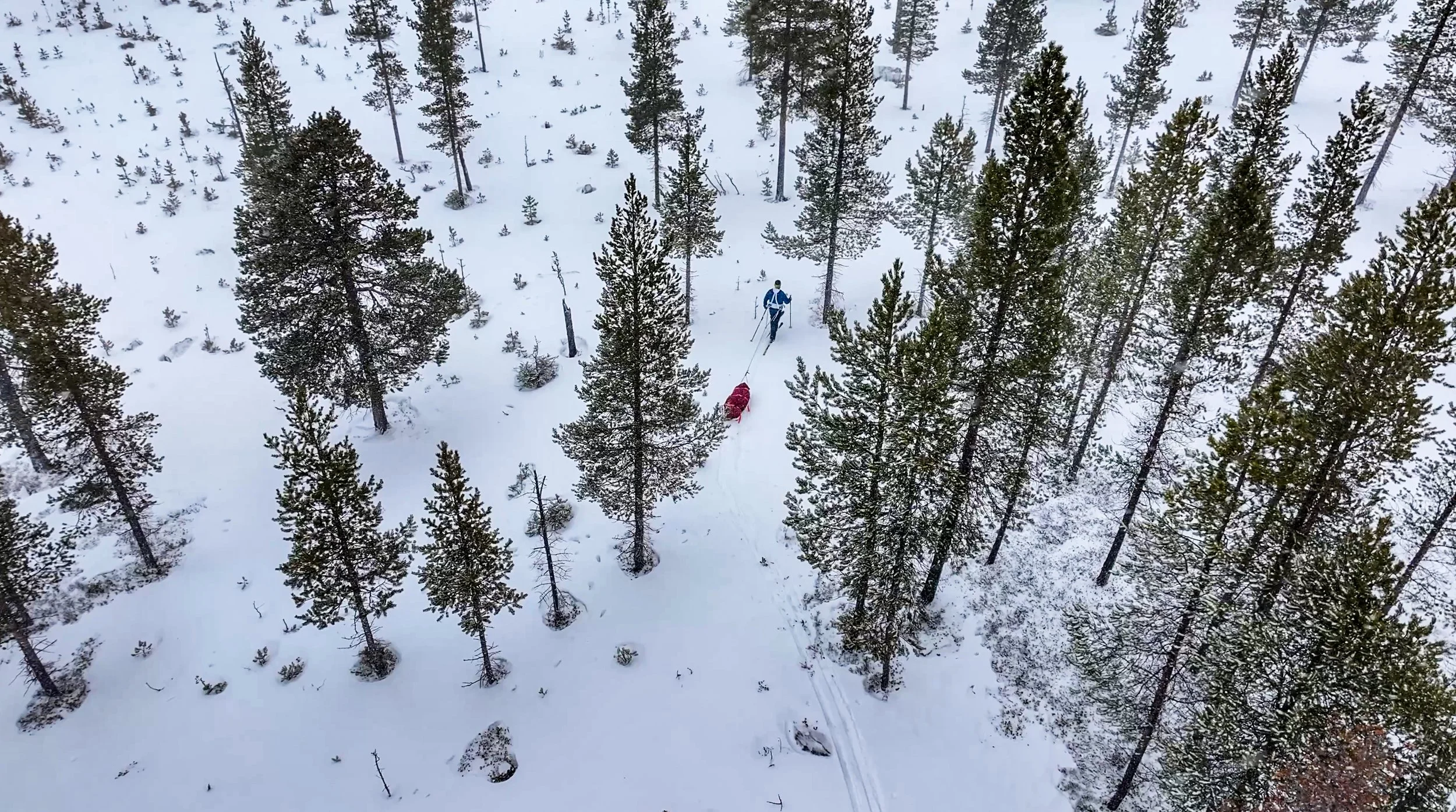
Femundsmarka Crossing
A Self-Supported Desert Crossing of the Iriqui National Park
05th Feb - 11th Feb 2027
The Crossing Highlights

A genuine wilderness crossing with no marked winter trails. Route choice, judgement and navigation are central to the journey.
Cross between two countries on skis, travelling between Norway and Sweden under your own power.
Travel through a wide variety of terrain: forested valleys, open mountain slopes, frozen lakes, and wide plateaus. This mix makes the navigation and movement more varied than most winter crossings.
Real winter skills: snow camping, cold management, winter navigation, safe travel across frozen lakes, and efficient expedition routines.
Wildlife and landscape observation: reindeer, grouse, ptarmigan, woodpeckers and forest birds, plus animal tracks in the snow — a quiet reminder that this is a working ecosystem, not an empty landscape.
An area few people have even heard of, let alone travelled through in winter.
COST : £2095
DAYS: 7
LEVEL: 2
The Why?
Most winter crossings follow marked trails or well-established routes. This one doesn’t. There are no waymarks, no winter tracks, and no pre-set line. It’s a place to practise real decision-making in complex terrain, using the skills learnt on polar training or previous winter expeditions and putting them to work in a genuinely wild setting.
You move through ancient forest and high plateaus, crossing the border between Norway and Sweden, travelling through landscapes shaped by reindeer movement and long-standing seasonal use by Sámi communities.
The route follows the rhythm of the land rather than a fixed path. The landscape is part of a long tradition of seasonal movement: calving in spring, high grazing in summer, rutting in autumn, and survival through winter. Understanding this rhythm gives context to the way you travel, choose routes, and interpret the land.
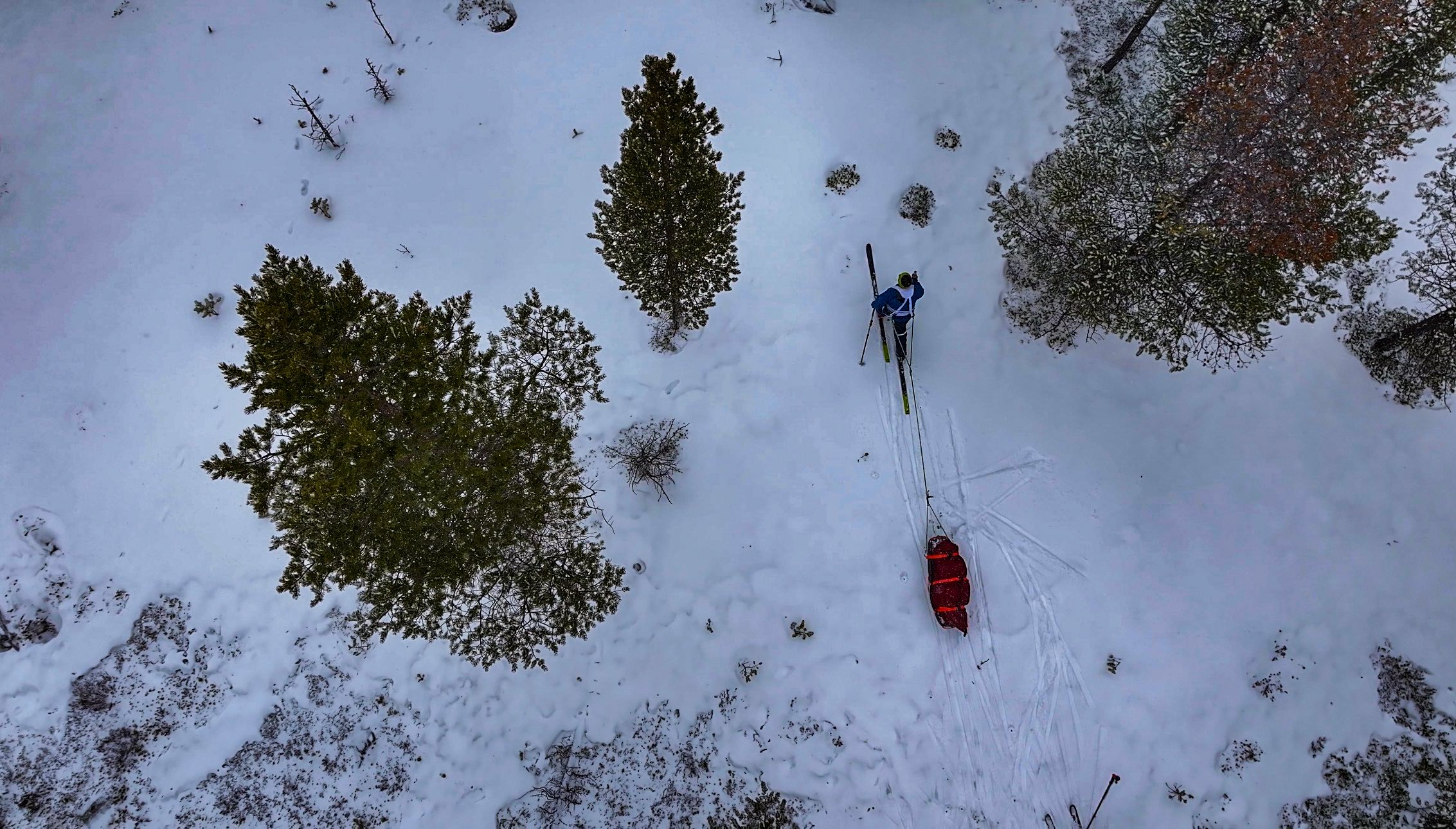
What to expect during your Femundsmarka Crossing
A proper point-to-point winter journey through Femundsmarka National Park, moving through forest, plateaus, and frozen lakes with no marked winter routes. This is a genuinely wild area and an ideal environment to learn and refine winter navigation.
Travelling through varied landscapes: dense forest, open plateaus, valleys, mountain flanks, and a long lake crossing on Femunden. Forest travel adds a layer of complexity not found on most plateau crossings.
Wildlife encounters are possible due to the remoteness of the area. Species present in and around the region include Brown Bear, Eurasian Lynx, Wolverine, Grey Wolf, Golden Eagle, Capercaillie, Merlin, Eurasian Beaver, Eurasian Otter, Norway Lemming, Musk Ox, and large seasonal herds of Reindeer moving through the landscape. While sightings are never guaranteed, the diversity of habitat — from forest to wetlands and open plateau — means signs of wildlife are a regular part of the journey.
A strong focus on winter navigation and expedition skills: travelling efficiently on skis with pulks, interpreting contours in winter, pacing and timing, bearings, terrain choice, and moving well as a team in complex terrain.
Real expedition living: pitching tents in snow, managing cold and condensation, melting snow for water, maintaining kit and body warmth, and operating efficiently in a cold environment.
We only have limited places on each expedition, get in contact today and reserve your spot on our next adventure.
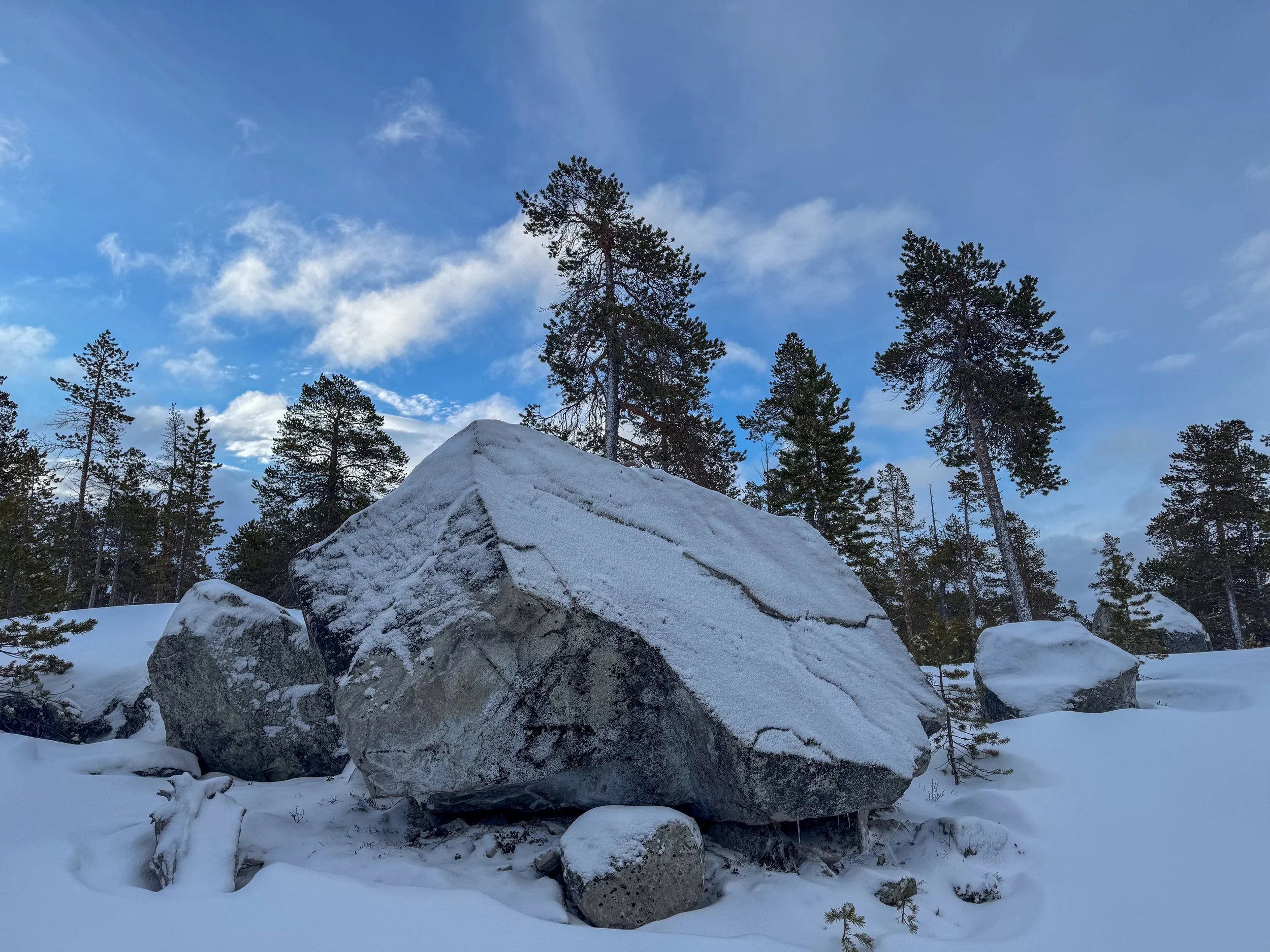
Itinerary – Femundsmarka Crossing
-
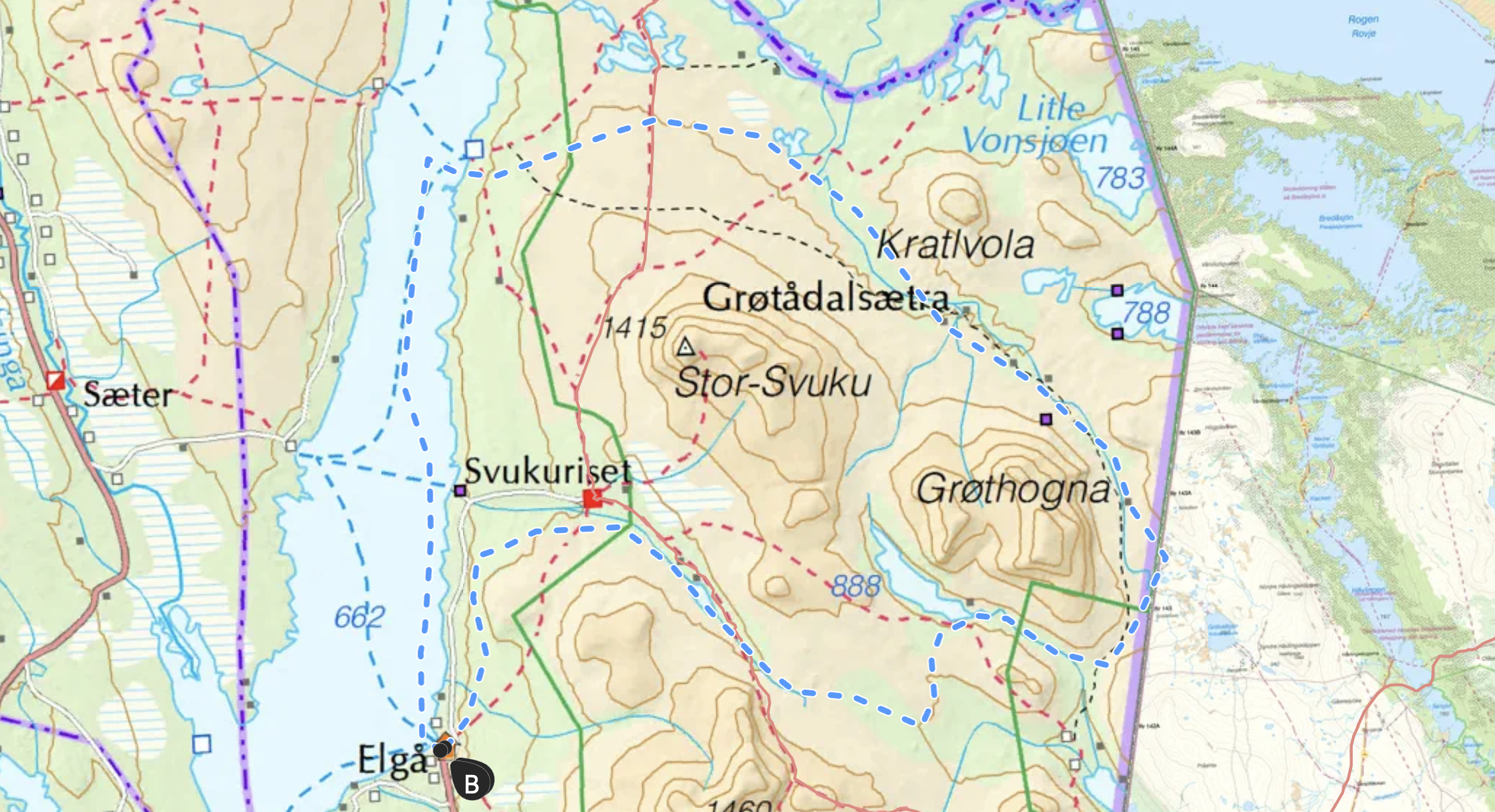
Meet in Oslo at 12:00. We load the vehicles and drive north-east towards the Swedish border and into Femundsmarka National Park, finishing at the end of the road in the small settlement of Elgå.
We organise kit, pack pulks and set off into the hills for our first night out. -
We travel around the western flanks of Gråvola into the Revlingsjøan valley, below the summit of Revlingkletten.
Today focuses on the foundations: winter navigation structure (“The Ds”), pacing on skis with pulks, compass work, reading winter contours, and movement on skis. We also cover pulk systems, tent craft, and avalanche refreshers. -
We continue east, crossing into Sweden and moving through the Brunsdalsbekken area towards the slopes beneath Høgpiken.
We practise walking on bearings, handrailing natural features, using catchments and terrain features, and managing timings and route choice. -
We cross the open plateau of Kratstjønnan, threading a route through more than thirty small frozen lakes.
This day pulls together all navigation skills so far. We also aim to run a multi-burial avalanche scenario and look at snow shelter construction. If conditions allow, there may be time for ice fishing. -
Today each person takes a turn leading navigation legs, bringing together everything learned.
We move towards the frozen expanse of Femunden lake, watching for wildlife and preparing for lake travel. If conditions allow, we aim to camp on the ice and do some ice fishing. -
An early start as we push south down the length of Femunden towards Elgå.
We travel over wind slab, drifted snow and areas of broken or variable ice. This is an opportunity to look closely at lake safety, ice assessment, route choice, red flags, and emergency considerations.
The final night will either be spent out on the ice or in local accommodation, depending on conditions and group choice. -
Depending on the previous night, we either travel early from camp or depart from accommodation and transfer back to Oslo. Afternoon flights can be booked for this day.
The Details
Cost per place on the expedition: £2095
-
Accommodation – 2 night hotel, 6 nights in tents
All in-country transfers,
Meals – 6 Dinners, 6 Lunches, 8 Breakfasts
Safety equipment
Emergency communication systems(sat phone, Inreach)
Expedition food and fuel
Medical safety equipment and supplies
Expedition team leader 1:10 max ratio.
-
Personal trekking equipment
Specialist travel insurance
Travel to and from departure country.
Anything not stated in inclusions.
-
No prior desert experience is required, but this is a sustained, physical journey and you need to arrive prepared.
You should be comfortable walking for 6–9 hours a day over uneven ground, including soft sand, rocky plateaux, and dry riverbeds, often carrying a light daypack in warm conditions. The terrain itself is not technical, but the consistency of movement, exposure to heat, and remoteness make it demanding.
A good level of general fitness and resilience is essential. You don’t need specialist skills, but you do need to be able to keep moving day after day, manage yourself in hot environments, and stay engaged as part of a small team.
Previous multi-day trekking experience is useful, but not essential if you have the right attitude and have prepared properly.
-
Accommodation reflects the style of the journey—simple, mobile, and shaped by the environment.
We begin with a comfortable hotel in M’Hamid, with proper beds, showers, and space to organise kit before heading out. It’s a good place to reset after travel and prepare for the days ahead.
Once in the desert, we sleep outside for most of the expedition. Nights are spent under the stars, usually around the fire, with bedding laid out on the sand. It’s often the best way to experience the desert—quiet, open, and with clear night skies.
Tents are carried and used when needed—if conditions turn, such as wind, sand, or rain, or if anyone prefers the shelter. Camps are chosen for some natural protection where possible, among dunes or scattered trees, but overall this is a fully exposed environment.
On the final night, we stay at Tizourgane Kasbah, a restored hilltop kasbah. After a week in the desert, it’s a welcome contrast—solid walls, hot showers, and a proper meal. It’s a place to regroup, clean up, and mark the end of the crossing together.
-
Meals are simple, practical, and built around what works in the desert. Everything is cooked over an open fire, with the group involved in preparing, cooking, and managing the fire each evening.
Expect hearty, filling food rather than anything elaborate. We cook using a mix of fresh ingredients carried at the start and dry staples that travel well with the camels. Typical meals include slow-cooked tagines with vegetables and spices, flatbreads baked in the embers, couscous dishes, and simple stews. Lunches are lighter—bread, dates, olives, fruit, and prepared items—taken in whatever shade we can find.
The fire becomes the centre of camp. Water is boiled for tea throughout the day, and evenings settle into a routine of cooking, eating, and sitting around the embers as it gets dark.
We can cater for most dietary requirements—just let us know in advance so we can plan food and supplies accordingly.
-
Please scroll down and you will see the dates :)
Available Trip Departures
05th Feb - 11th Feb 2027 - Limited Availability
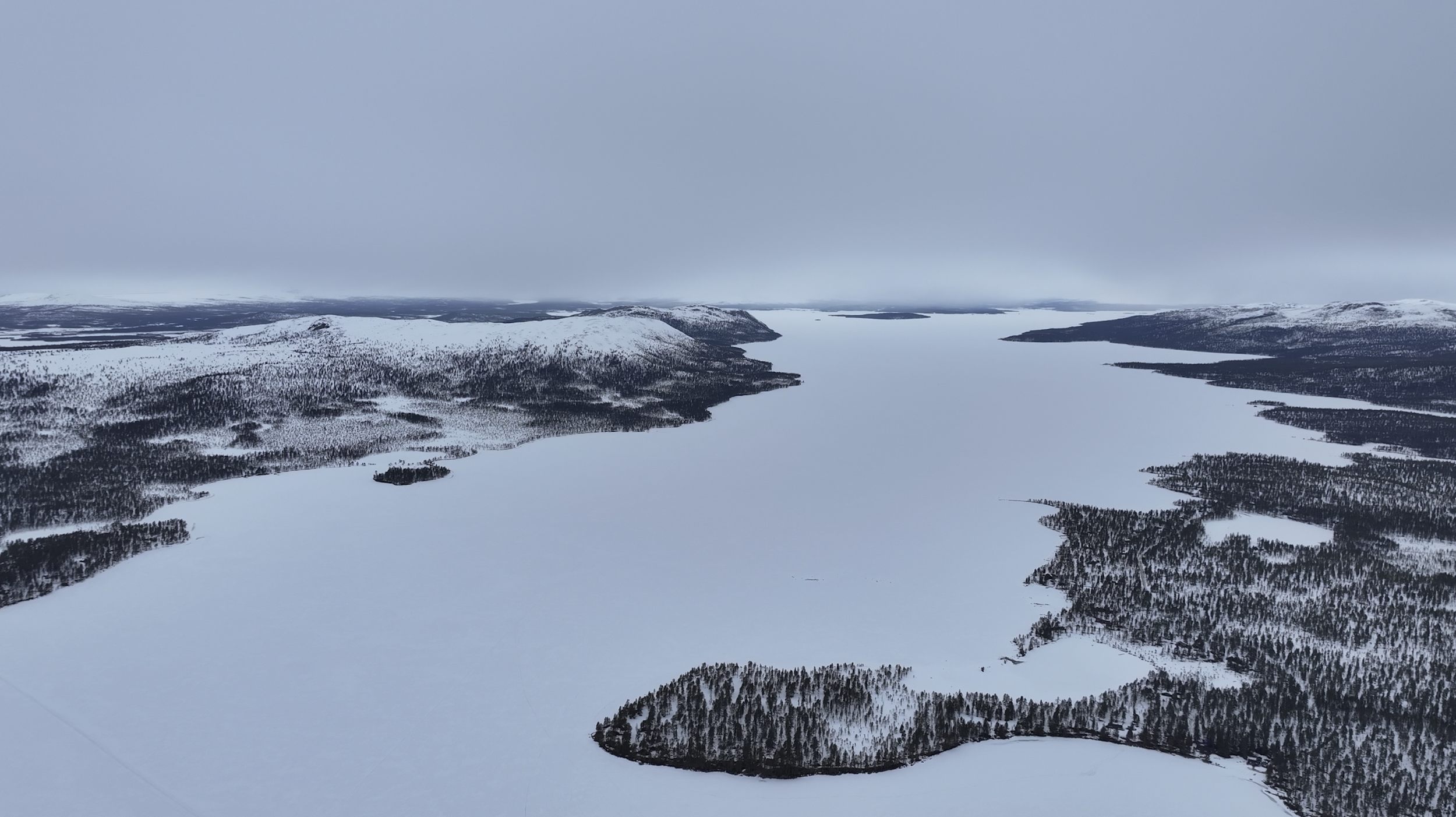
Expedition Safety
Your Safety is Our Top Priority on Every Trip
our guides have overall responsibility for the running of the expedition, working closely with a trusted local desert team who know this terrain in detail. Together, they manage navigation, pacing, camp selection, water, and the welfare of both the group and the camels.
A full briefing takes place in M’Hamid before we set off, covering how the journey works day-to-day—moving with camels, managing heat, hydration, camp routines, and what to expect from the terrain. We’ll also cover practical points like packing, looking after your feet, and working efficiently as a group.
There’s no technical skill required, but there is a rhythm to desert travel. Over the first few days, you’ll settle into it—walking pace, managing energy, setting up camp, and working around the fire. By the middle of the journey, these routines become second nature and the days flow more easily.
Your guides are experienced in leading multi-day expeditions in remote environments and hold appropriate first aid and expedition safety qualifications. The wider team brings a depth of local knowledge that’s key to moving well through this landscape.
The aim is simple: give you the structure and support to move confidently through the desert, while keeping things safe, efficient, and well-managed throughout